Comparing Central vs Slab Town Homes in Traverse City
Torn between Central and Slabtown for in-town Traverse City living? You are not alone. Each neighborhood offers a distinct vibe, housing mix, and daily rhythm, and both put you close to the heart of the city. In this guide, you will compare location, homes, prices, schools, and lifestyle so you can choose the spot that fits how you live. Let’s dive in.
Both neighborhoods sit just off downtown Traverse City. Central lies south of the core near Boardman Lake, while Slabtown is northwest along West Bay and West Front Street. Use the city’s official neighborhood map to see exact boundaries and how the two meet near downtown and the waterfront. You can view that map on the City of Traverse City’s website in the neighborhood section of the document library. Here is the direct resource for reference: City of Traverse City neighborhood association map.
If you want a car-light lifestyle, both areas deliver. Consumer portal Walk Score pages often place Central addresses in the high 70s to 90s, and Slabtown addresses in the high 60s to 80s, depending on the exact block. That means you can typically walk or bike to downtown, parks, and everyday errands.
Trails boost the experience. The TART network and the Boardman Lake Loop connect Central directly to the library, parks, and the lake’s edge, while Slabtown links north and east toward West Bay, beaches, and Front Street.
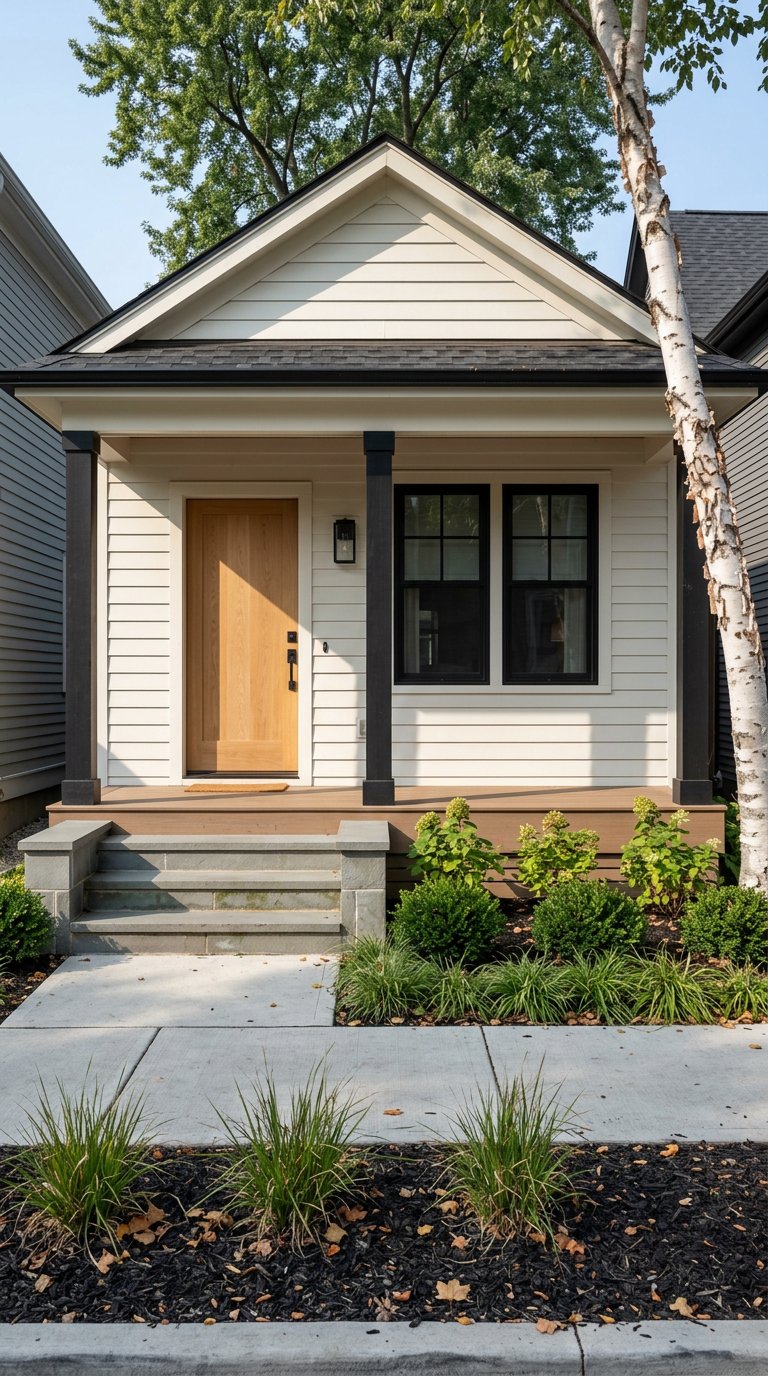
Central is classic Traverse City. You will find early 20th-century Queen Anne, Victorian, and Craftsman homes, many built between 1900 and the 1940s. Expect welcoming porches, mature trees, and narrower lots than you see in suburban areas. Some properties have been converted to duplexes or small multifamily, and you will spot occasional infill.
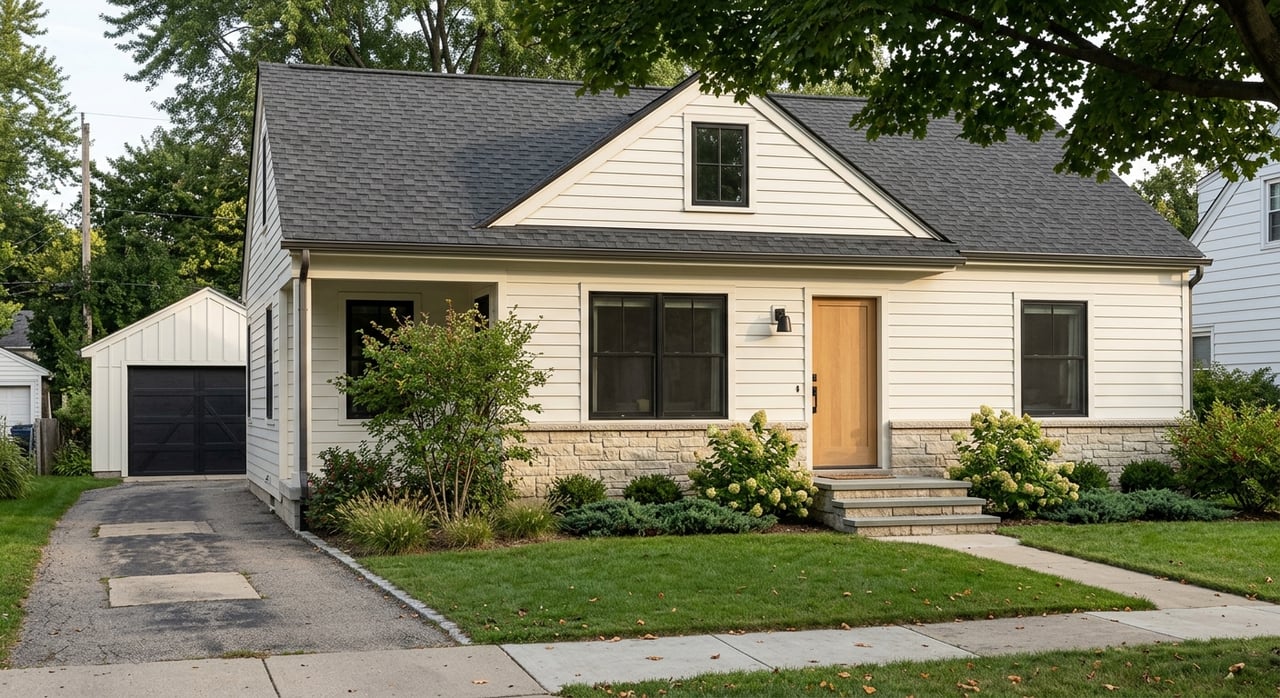
Slabtown began as housing for mill workers, and its name nods to the wood “slabs” once used for building. The area blends simpler bungalows and cottages with renovated homes and smaller condo or multifamily buildings along Front Street. Proximity to West Bay, beaches, and parks shapes demand and pricing.
If you plan to remodel or build, keep an eye on historic policy. Local officials have discussed expanding or adding historic districts that could include parts of Central and Slabtown. In designated historic districts, exterior changes can require Historic District Commission review. Get the current status and process details before you set your renovation timeline. You can read more about the proposal in this local news report: discussion of expanding Traverse City historic districts.
Recent consumer portal snapshots suggest in-town demand remains strong relative to the broader Grand Traverse County market. County-level medians have hovered in the mid $400,000s to $500,000s, with sale-to-list ratios commonly in the high 90s and tight inventory. Within the city, neighborhood ranges vary by source and time window, but a few themes show up often:
Across both neighborhoods, supply is limited and speed is real. Some portal snapshots have shown Central with about 1.3 months of supply, which typically favors sellers. As a buyer, plan for competition, quick decision-making, and a strong pre-approval. As a seller, accurate pricing and standout presentation still matter in a market with selective, well-informed buyers.
Tip: Medians shift with new listings and closings. For the most current, hyperlocal view, ask our team for a fresh MLS neighborhood report before you act.
Central Grade School sits within the Central neighborhood and serves preschool and elementary programs as part of the TCAPS system. Learn more about the school’s programs and location through the TCAPS Central Grade page.
Slabtown sits close to several TCAPS schools. Many west-side addresses feed into Willow Hill Elementary. Always verify the exact assignment for your specific property using district attendance maps or by contacting the district. You can review school information at the TCAPS Willow Hill page.
TCAPS has planned a major reconstruction and renovation effort for Central Grade. The multi-year program includes temporary relocations and on-site work, which can affect traffic, daily routines, and campus access during the build. Get the latest schedule and scope details here: Traverse Ticker coverage of TCAPS’ “Big Three” projects. If you have school-age children, this is a smart topic to confirm as you plan your timeline.
You will see a range of options in both neighborhoods:
In both areas, think through tradeoffs: character vs. retrofit costs, lot size vs. walkability, and premium location vs. total living space.
Use this quick plan to zero in on the right neighborhood for you:
Ready to compare specific homes or get an updated neighborhood report? Reach out to our team at Live Traverse City for a local, data-backed plan tailored to your goals.
Stay up to date on the latest real estate trends.
Take back your time. Allow the Live Traverse City Real Estate Team to assist you with your property needs. Whether you're buying, selling, or investing, our team will simplify the process and maximize your time.