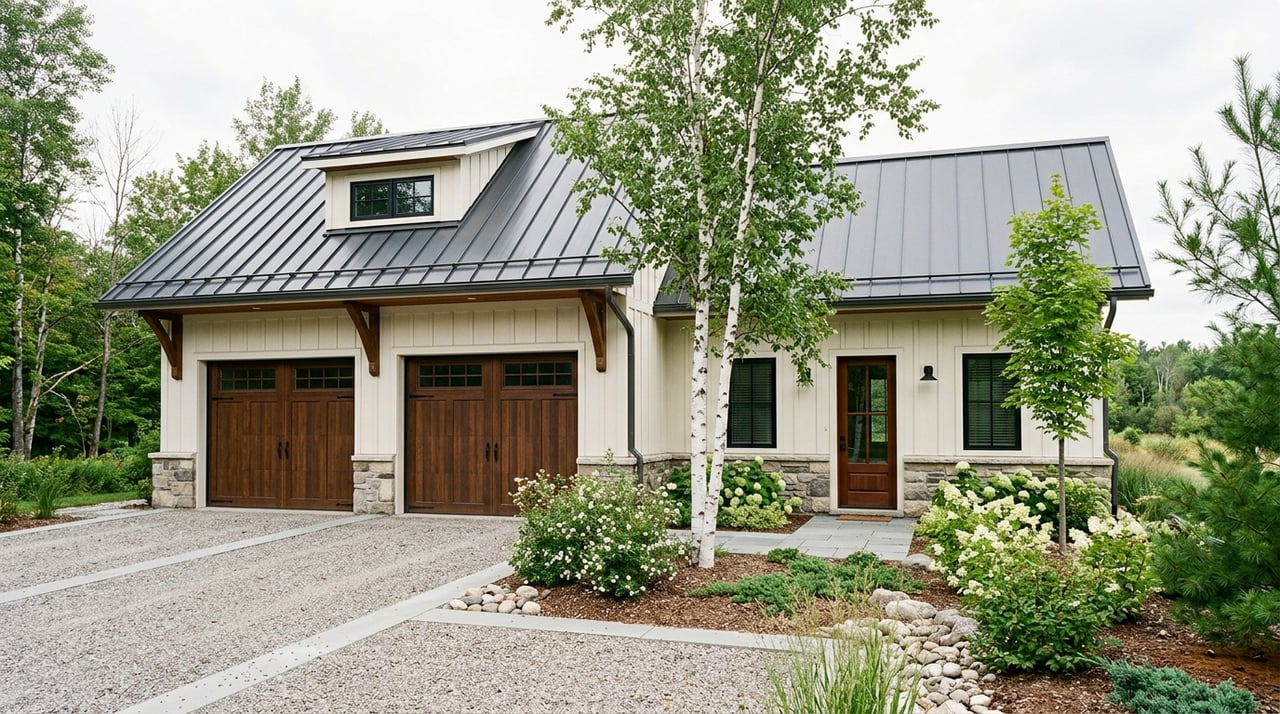
Old Mission Peninsula Short-Term Rentals: What To Know
Thinking about buying a home on Old Mission Peninsula and using it as a short-term rental? That idea is common, but the rules are more restrictive than many buyers expect. If you are looking at property in the 49686 area, understanding Peninsula Township’s zoning and permit structure can help you avoid costly assumptions and make a smarter purchase. Let’s dive in.
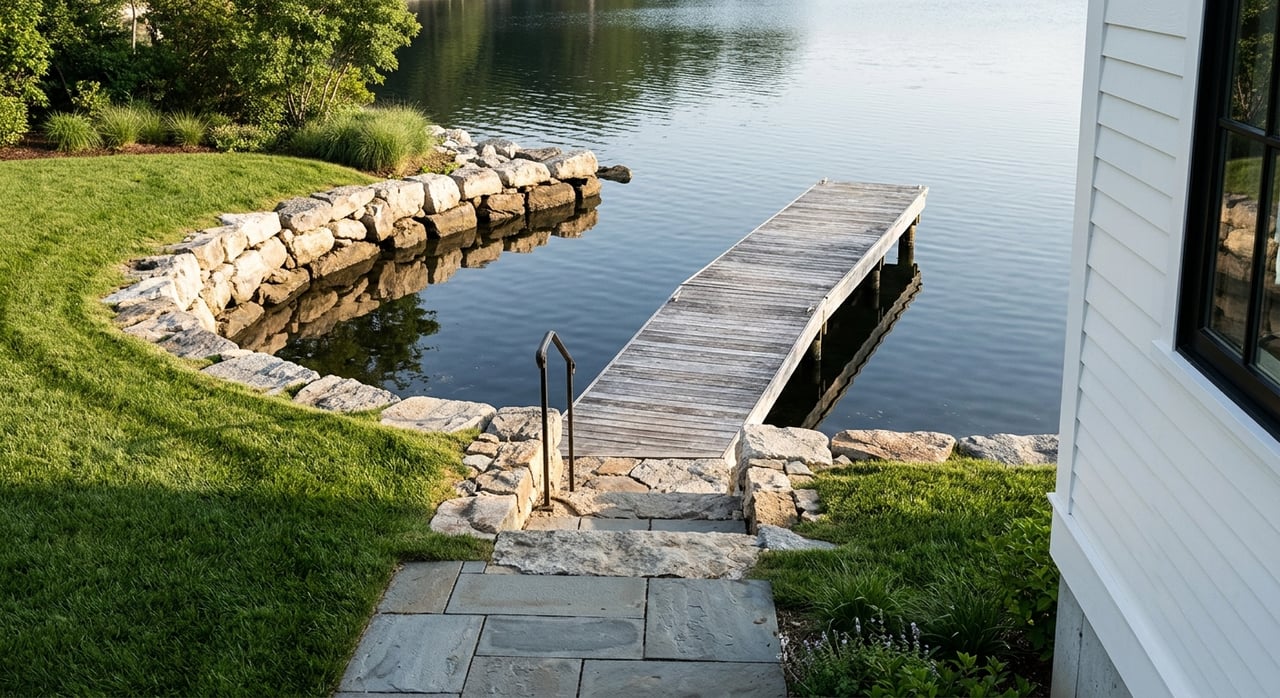
Old Mission Peninsula sits within Peninsula Township, a narrow stretch of land that extends about 16 miles into Grand Traverse Bay and includes roughly 42 miles of shoreline. It is also an area where zoning and land-use questions can be highly site-specific, especially for waterfront and shoreline parcels.
That matters because short-term rental use is not something you should assume comes with a home. The township’s ordinance book is current through Amendment #205, and the township website has continued to post a public hearing notice related to an STR zoning amendment, which means the rules remain an active due-diligence issue for buyers and sellers. You can review township updates and notices on the Peninsula Township website.
Peninsula Township includes several zoning districts, including R-1A, R-1B, R-1C, R-1D, C-1 Commercial, and A-1 Agricultural. For anyone considering rental income, the key takeaway is simple: the zoning structure is restrictive in residential and agricultural districts, while transient lodging is expressly addressed in commercial zoning and through certain special-use pathways.
The residential districts also work together more than many people realize. According to the township’s zoning ordinance, R-1B, R-1C, and R-1D cross-reference the R-1A use table, so the same basic framework applies across much of the peninsula’s residential land.
This is the rule many buyers miss. The posted ordinance says a non-owner-occupied dwelling may be rented only if the minimum rental period is 30 days.
In practical terms, that means classic nightly or weekly whole-house short-term rental use should not be treated as the default on a typical residential parcel. If you are buying a home and planning to advertise it as a vacation rental, written confirmation from the township is the safest step before you close.
On Old Mission Peninsula, the clearest residential path for transient lodging is not a whole-house STR. It is a bed-and-breakfast, and even that use comes with specific requirements.
The township allows bed-and-breakfast establishments by special use permit in residential districts, and also extends that option into the A-1 Agricultural district by special use permit. This matters because some Old Mission properties that look residential from the road may actually sit in agricultural zoning.
Under the ordinance, a bed-and-breakfast must meet several conditions, including:
For second-home buyers, the owner-occupancy requirement is especially important. If you do not plan to live on site, the B&B route may not fit your goals.
If your goal is true hotel, motel, or tourist-court style lodging, the ordinance points to C-1 Commercial zoning. That is the district intentionally designed for convenience shopping and limited transient-lodging facilities.
Hotels, motels, and tourist courts may be allowed there by special use permit, but the standards are much larger than a typical single-family setup. The ordinance calls for a five-acre minimum lot, 300-foot minimum width, minimum guest room sizes, occupancy limits, and compliance with septic, well, lighting, screening, and fire-safety standards.
For most buyers looking at a house on Old Mission Peninsula, this is a reminder that income potential must be tied to the parcel’s actual zoning and approved use, not to general market demand for vacation rentals.
Even when a property has been used informally as a vacation rental in the past, that does not mean the use is approved. Peninsula Township has a real enforcement process in place.
Under the zoning ordinance, if a violation is not corrected within seven days after written notice, the issue can be treated as a municipal civil infraction. Each day the violation continues may count as a separate violation, and the township can also seek injunctive relief.
The township also has an ordinance complaint form that includes a specific short-term rental violation option. That makes it clear that these rules are not simply background language in a zoning book. They can directly affect ownership, marketing plans, and carrying costs.
If you are buying on Old Mission Peninsula, treat short-term-rental use as a fact-checking exercise, not an assumption. The township’s zoning office handles zoning-related requests by appointment, and the township also provides an interactive zoning map and zoning resources to help verify parcel details.
Here are the most important questions to ask before you buy:
A property with an approved special use permit is not the same as a property that might qualify someday. Under the ordinance, an approved permit and its conditions form the actual land-use authorization for that property. That can have a real effect on both value and risk.
For most buyers, the safest way to evaluate an Old Mission Peninsula property is to underwrite it first as an owner-occupancy home or a longer-hold asset. If the numbers only work because of assumed nightly or weekly rental income, you may be building your decision on a shaky foundation.
On the other hand, properties with documented B&B approval or permitted C-1 lodging rights can tell a different value story. Those parcels may offer broader income potential because the ordinance provides an explicit pathway for transient lodging.
That difference matters in pricing. A home that simply has vacation-rental appeal is not the same as a property with verified lodging rights already attached.
If you are selling a property on Old Mission Peninsula, this issue can shape both your pricing strategy and your marketing language. Buyers who are shopping for second homes, waterfront property, or investment opportunities often ask about rental flexibility early in the process.
The strongest approach is to market documented facts, not assumptions. If a property has a special use permit, zoning confirmation, or a use history supported by township records, that information can be meaningful to buyers. If it does not, careful positioning can still protect credibility and reduce surprises during due diligence.
Old Mission Peninsula is one of Traverse City’s most distinctive micro-markets, but it is also one of the easiest places for buyers to overestimate rental potential. Between zoning classifications, owner-occupancy requirements, shoreline constraints, and ongoing amendment discussions, the details matter.
That is why local, parcel-level guidance is so valuable. A smart buying or selling plan here depends on matching the property’s actual use rights to your goals, timeline, and budget.
If you are exploring a home sale, second-home purchase, or investment opportunity on Old Mission Peninsula, Live Traverse City can help you think through the zoning questions, property positioning, and local market realities before you make your next move.
Stay up to date on the latest real estate trends.
Take back your time. Allow the Live Traverse City Real Estate Team to assist you with your property needs. Whether you're buying, selling, or investing, our team will simplify the process and maximize your time.