Old Towne Traverse City Homes & Neighborhood Living
Want to live steps from downtown Traverse City without giving up neighborhood charm? Old Towne puts you close to restaurants, shops, the river, and the bay, with tree-lined streets and character homes on cozy lots. If you value walkability and a classic front-porch feel, this pocket of town is worth a close look. In this guide, you’ll learn how Old Towne lives day to day, the housing styles you’ll find, what to know about schools and services, and smart tips for buying an older home here. Let’s dive in.
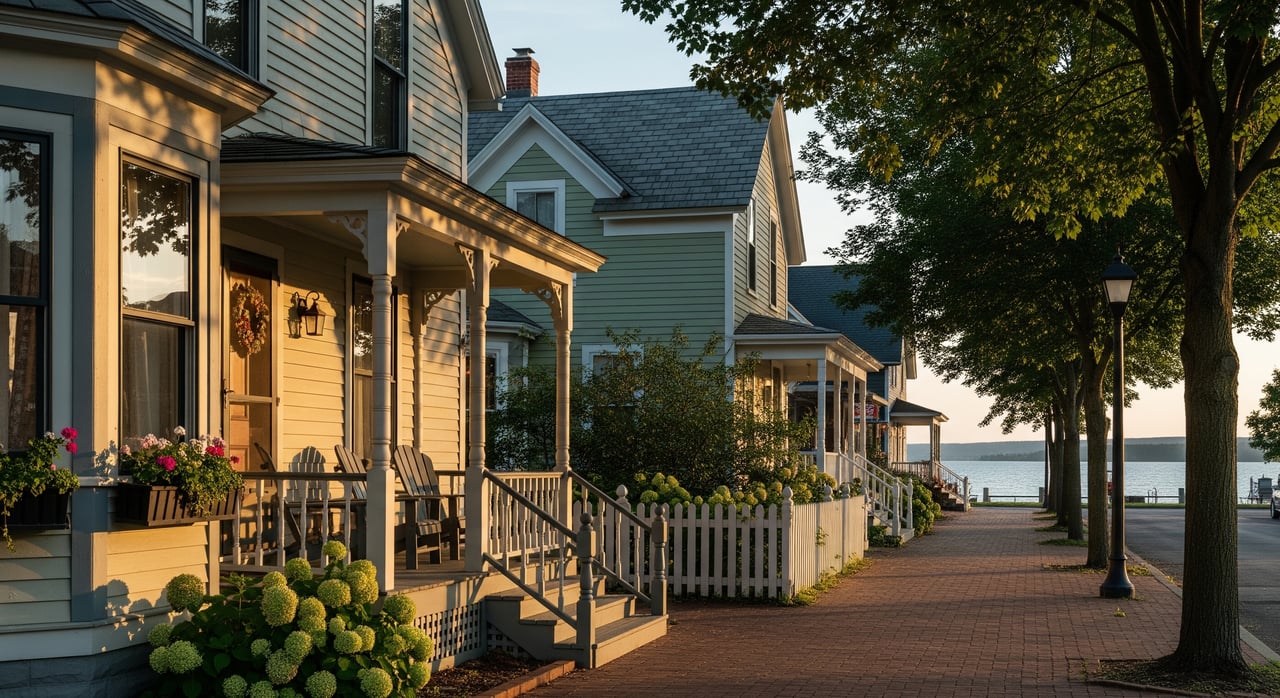
Old Towne, sometimes written as Old Town, sits directly adjacent to the downtown core. You can typically reach dining, coffee, and waterfront spots within a 5 to 15 minute walk from central blocks. The neighborhood mixes late 19th and early 20th century homes with a few small multi-family buildings and periodic infill condos or townhomes.
What you’ll love: historic architecture, short walks to downtown and the Boardman River, and a strong trail network nearby. What to consider: smaller lots, on-street parking patterns, and the upkeep that often comes with older homes.
Old Towne grew with Traverse City’s lumber, cherry agriculture, and port era. That legacy shows up in Victorian and Queen Anne details, Craftsman and bungalow styles, and narrow urban lots with mature street trees. The streetscape feels classic and connected, with homes set closer to the sidewalk than in newer subdivisions.
You can plan on a car-light lifestyle if you choose. Grocery staples, coffee, and dining are a short walk or bike ride, while larger shopping trips are a quick drive to nearby corridors. Trails make everyday errands and recreation easier.
The TART trail network and Boardman River and Boardman Lake trails help you connect to downtown and other parts of the region. River and lake restoration in recent years has improved access and boosted the recreational value of living near the water.
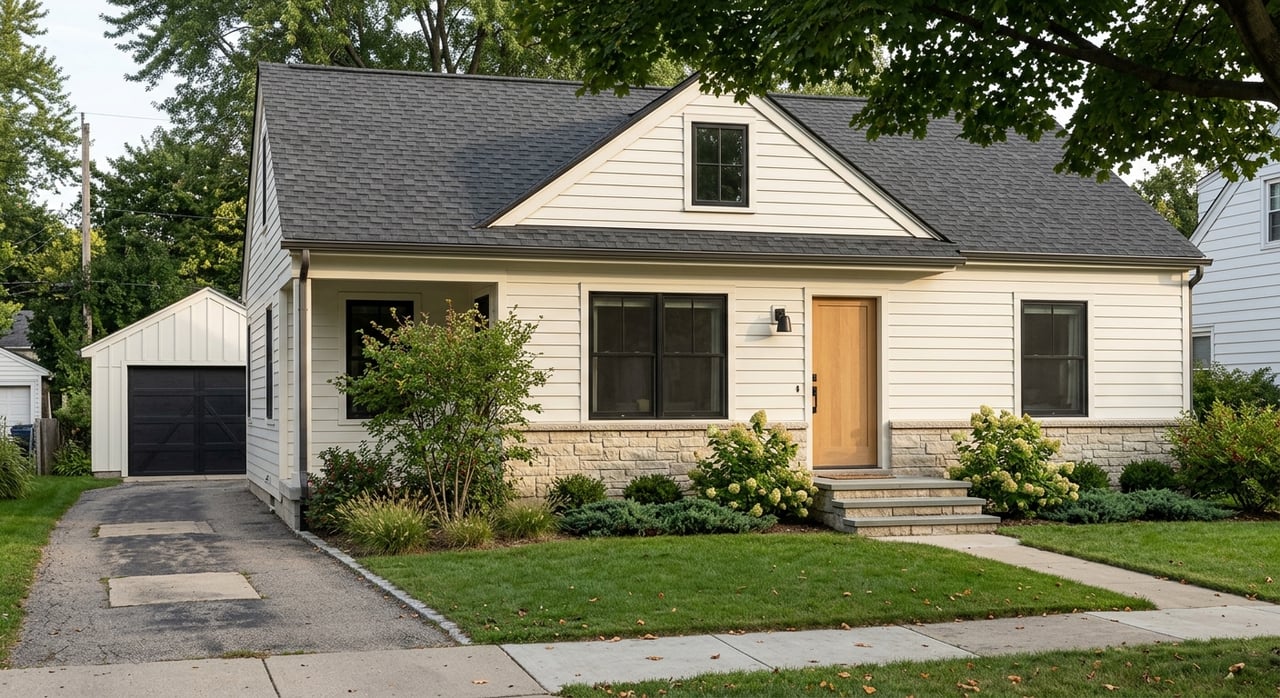
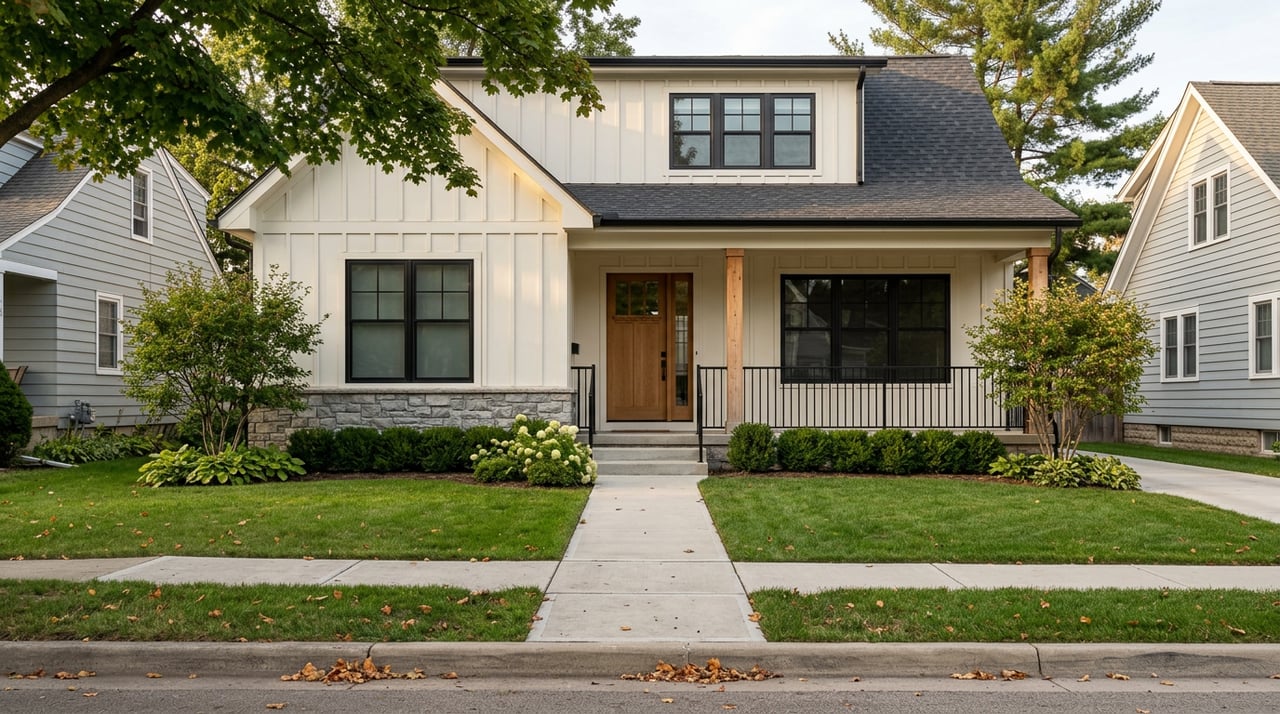
Most homes date from the late 1800s through mid-1900s. You’ll see Victorian and Queen Anne touches, Craftsman details, and classic bungalows. Some blocks include duplexes and small multi-family buildings, plus newer infill homes or condos on previously underused parcels.
Lots tend to be smaller than suburban neighborhoods, which means intimate yards and a cozy street feel. Many homes rely on on-street parking or smaller driveways, and not every property includes a garage. Some streets near busy areas may have permit rules or limited curb space.
Homes here typically connect to municipal water and sewer, though it’s smart to verify service for any specific address. Older properties can have aging systems such as electrical, plumbing, and insulation. Common items to check include roof age, foundation or basement moisture, historic window performance, and heating system condition. In very old homes, ask your inspector about possible lead plumbing or knob-and-tube wiring.
Old Towne is considered highly walkable compared to most regional neighborhoods. With trails and low-speed streets, biking to downtown is straightforward for many residents.
Bay Area Transportation Authority provides bus routes that serve downtown. Route coverage varies by address and schedule, so confirm the best options for your block. Driving to other employment centers in the county often takes 10 to 25 minutes depending on destination and time of day.
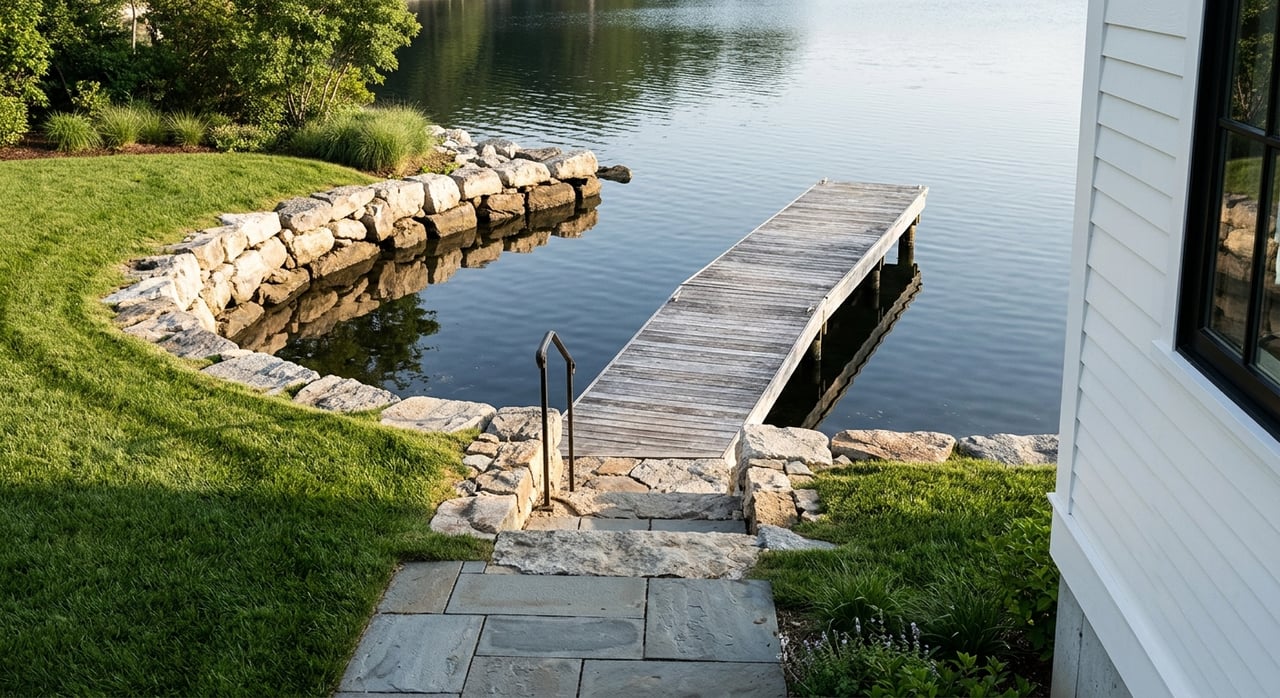
You’re close to riverfront and bayfront amenities, including downtown parks and the Boardman Lake trail loop. Smaller pocket parks and community green spaces may dot the area. If outdoor time is part of your daily routine, this location delivers easy access.
Most in-town neighborhoods fall under Traverse City Area Public Schools. Attendance boundaries can change, so verify school assignments using the district’s current boundary maps or address lookup.
City police and fire departments cover the downtown area, and public works handles trash, recycling, snow removal, leaf pickup, and street sweeping on set schedules. For detailed rules and calendars, check the City of Traverse City’s latest guidance.
Many popular Michigan destinations regulate short-term rentals. If you are considering an investment or occasional renting, review current Traverse City ordinances and permit requirements before you buy.
Proximity to the Boardman River and Boardman Lake means some properties may sit in or near a floodplain or have higher water tables. Before making an offer, consult FEMA flood maps and Grand Traverse County GIS, and speak with city floodplain staff to understand parcel-specific risk. Flood insurance may be required by lenders or advisable for certain locations.
Downtown-adjacent neighborhoods like Old Towne often carry a price premium because of walkability and proximity to amenities. Inventory can be limited, especially for move-in-ready historic homes in prime seasons. To compete, prepare financing early and plan for thorough due diligence.
Choose Old Towne if you want a classic, in-town lifestyle with strong walkability and historic character. You’ll trade larger yards and big garages for easy access to trails, dining, and the water. If you love front-porch evenings and short strolls to coffee, this neighborhood should be on your list.
Buying or selling in a historic, downtown-adjacent market benefits from local guidance. Our team combines neighborhood-level expertise with modern, full-service marketing and trusted local partners for lending, title, and property services. If Old Towne is on your radar, let’s map out your plan and tour the right homes at the right time. Connect with Live Traverse City to get started.
Stay up to date on the latest real estate trends.
Take back your time. Allow the Live Traverse City Real Estate Team to assist you with your property needs. Whether you're buying, selling, or investing, our team will simplify the process and maximize your time.