Michigan Title Insurance Basics for Traverse City Homes
Buying a home in Traverse City or Grand Traverse County and wondering if title insurance is worth it? You are not alone. Whether you are a first-time buyer, a move-up seller, or shopping for a waterfront retreat, clear title is what makes your closing secure and your ownership dependable. In this local guide, you will learn what title insurance is, what it covers in Michigan, the issues we commonly see in Northern Michigan, how timelines work here, and when to bring in a trusted title partner. Let’s dive in.
Title insurance is a one-time purchase at closing that protects you against financial loss from past problems with the property’s title. Unlike other insurance that covers future events, title insurance looks backward at issues that already exist but were unknown when you bought the home.
Other policies cover events after you buy, like fire or flood. Title insurance covers defects that existed before you owned the home, such as a forged deed, an undisclosed heir, or a recording error. If a covered problem surfaces later, the policy can cover legal defense and financial loss up to the policy limits.
In Michigan, title insurers and title agents are regulated by the state’s Department of Insurance and Financial Services. Companies serving Traverse City must follow state licensing rules and local recording practices with the Grand Traverse County Register of Deeds.
An owner’s policy protects your equity up to the policy amount, usually the purchase price. Coverage lasts as long as you or your heirs own an interest in the property. This is optional but strongly recommended because a lender’s policy does not protect you.
If you finance your purchase, your lender will require a lender’s policy. It protects the loan amount while the mortgage is outstanding. It does not cover your equity or legal costs as the owner.
When both policies are issued at the same closing by the same company, there is often a discounted combined rate. Ask your title partner about simultaneous issue pricing during your quote.
Availability and names vary by insurer, but common options include:
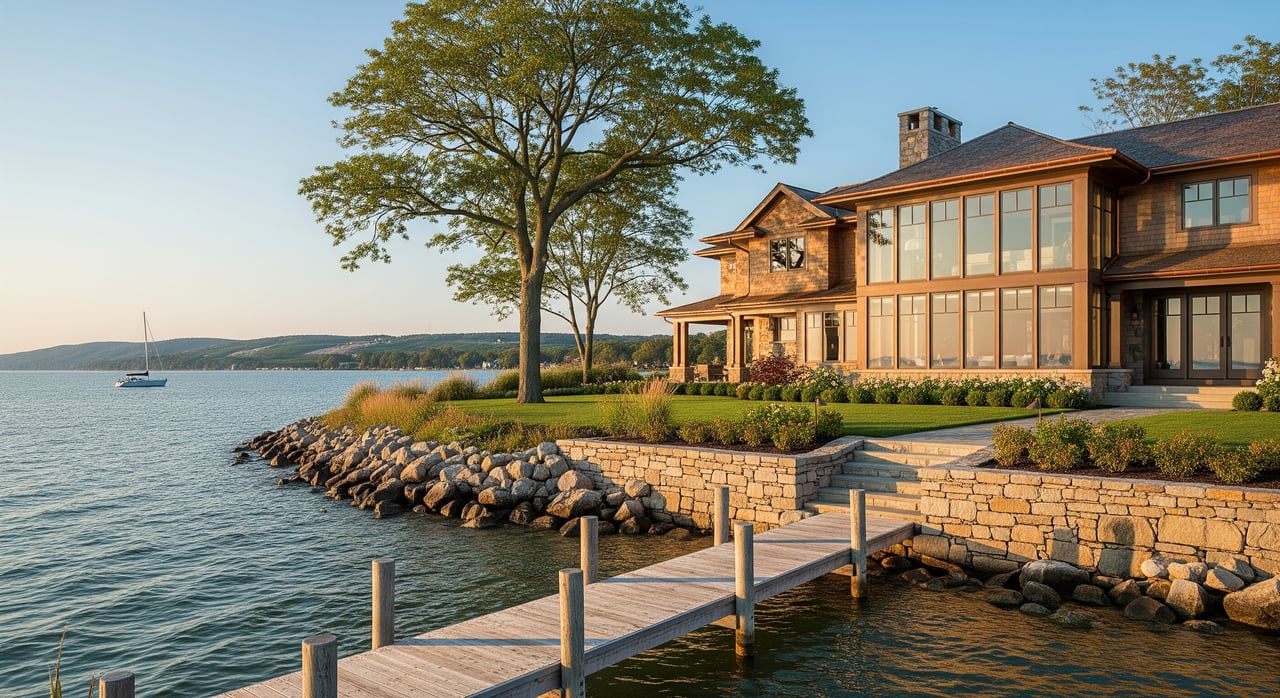
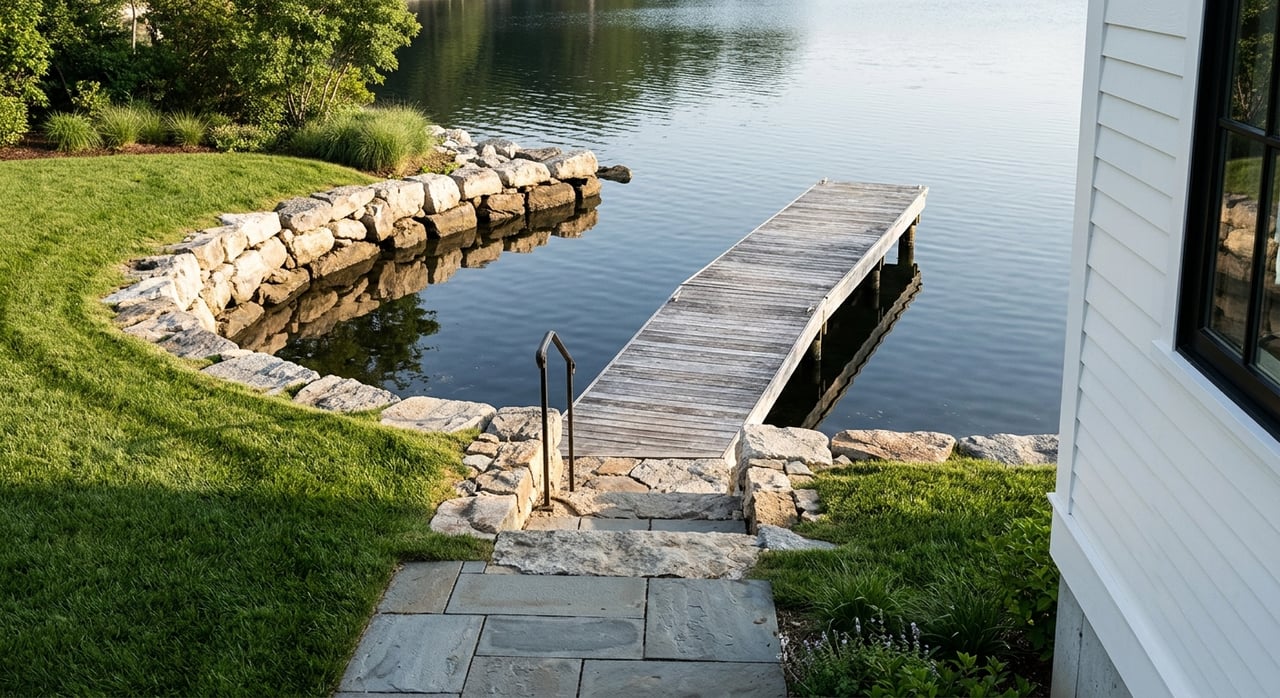
The Traverse City area includes Grand Traverse Bay and many inland lakes. Waterfront parcels can involve riparian rights, shoreline easements, dock locations, and high-water mark questions. Ask your title partner to review shoreline easements and historic grants, and consider a survey endorsement for added clarity.
Properties held by families for generations may have gaps in the chain of title or older deed descriptions. Your title company can identify missing links and recommend curative steps before closing.
In Northern Michigan, you may see private driveways, shared access, or informal rights-of-way. Confirm that needed access and utility easements are recorded and acceptable to your lender.
Septic systems, well locations, and local health department permits do not always appear in title records. Work with your agent, title company, and the appropriate departments early if your property depends on these systems.
Unpaid property taxes create senior liens. Confirm the current year’s tax status and any special assessments so there are no surprises at closing.
Who pays for the owner’s policy is a matter of local custom and negotiation. In many Michigan transactions, the seller may agree to pay the owner’s policy premium, while the buyer pays the lender’s policy. Practices can vary by county and contract terms, so confirm the allocation in your purchase agreement and with your Traverse City title partner.
The Grand Traverse County Register of Deeds records deeds, mortgages, and liens. Many documents can be submitted electronically, which can speed up recording. Same-day recording can be possible when documents are submitted before local cutoffs. Confirm current hours, e-recording availability, and turnaround times with your title partner.
Loop in a local title partner at offer acceptance, or even earlier if you are evaluating a complex property. Ask for a preliminary title commitment right away. If you are out of the area, confirm remote closing options, ID requirements, and whether survey or zoning endorsements make sense for the property type.
Contact a title partner before listing or as soon as the property hits the market. A pre-listing title check can uncover old mortgages, judgments, or name discrepancies that take time to resolve. If you plan to offer an owner’s policy as part of closing costs, request a premium estimate early.
Your title company will issue a title commitment, coordinate payoffs, obtain HOA or condo documents, request municipal records, and prepare closing documents. They also handle escrow and disbursement, pay transfer taxes at closing, submit documents for recording, and run wire verification protocols for security.
Remote and hybrid closings are often available. If you are traveling or live outside Michigan, ask early about remote online notarization or mobile notary options. Plan for ID verification and leave extra time for wire confirmation calls on closing day. These safeguards protect you and help your transaction stay on schedule.
Title insurance is one of the quiet heroes of a smooth Traverse City closing. It protects your ownership from past defects, gives your lender comfort, and helps keep your investment secure. With local properties that span city condos, historic homes, and waterfront estates, having a strong title partner and a local-first real estate team on your side can make all the difference.
If you are planning to buy or sell in Grand Traverse County and want clear guidance from contract to closing, connect with Live Traverse City. Our team can coordinate with trusted title partners, help you choose smart endorsements, and keep your timeline on track.
Stay up to date on the latest real estate trends.





Take back your time. Allow the Live Traverse City Real Estate Team to assist you with your property needs. Whether you're buying, selling, or investing, our team will simplify the process and maximize your time.