How to Sell a Traverse Heights Home With Confidence
If you are getting ready to sell in Traverse Heights, confidence usually comes from one thing: having a plan. In a neighborhood where buyers are likely comparing value, condition, and day-to-day livability closely, even small details can shape how your home is perceived. The good news is that you do not need a full remodel to make a strong impression. You need smart prep, realistic pricing, and a listing strategy built around how Traverse Heights buyers shop. Let’s dive in.
Traverse Heights offers a lot of everyday convenience that buyers notice. City data highlights strong access to transit, food, healthcare, and parks, along with a Walk Score of 66 and a Bike Score of 82. The neighborhood also benefits from city sidewalk improvements and bike connections that support easier access around the area.
That matters when you sell because buyers are not just looking at your house. They are also thinking about how it fits their daily routine. In Traverse Heights, that often means they care about mobility, neighborhood access, and overall livability just as much as square footage.
The neighborhood also includes a mix of housing styles and ages. City planning material suggests older, modest-size homes are part of the local profile, which means buyers may expect charm and practicality, but they will also pay attention to maintenance and visible wear.
Current neighborhood data points to a more value-oriented price range than the broader Traverse City market. In May 2026, Traverse Heights had 15 homes for sale, a median listing price of $325,000, and a median of 58 days on market. Redfin also reported a median sale price of $311,395.
By comparison, Traverse City overall showed a much higher median listing price of $515,000. That gap is important because it suggests many Traverse Heights buyers are likely weighing affordability and condition carefully. When buyers are price-conscious, presentation and pricing discipline matter even more.
Realtor.com also reported that homes in Traverse Heights sold for about asking price on average. That tells you the market can support solid outcomes, but it does not leave much room for overpricing or skipping prep.
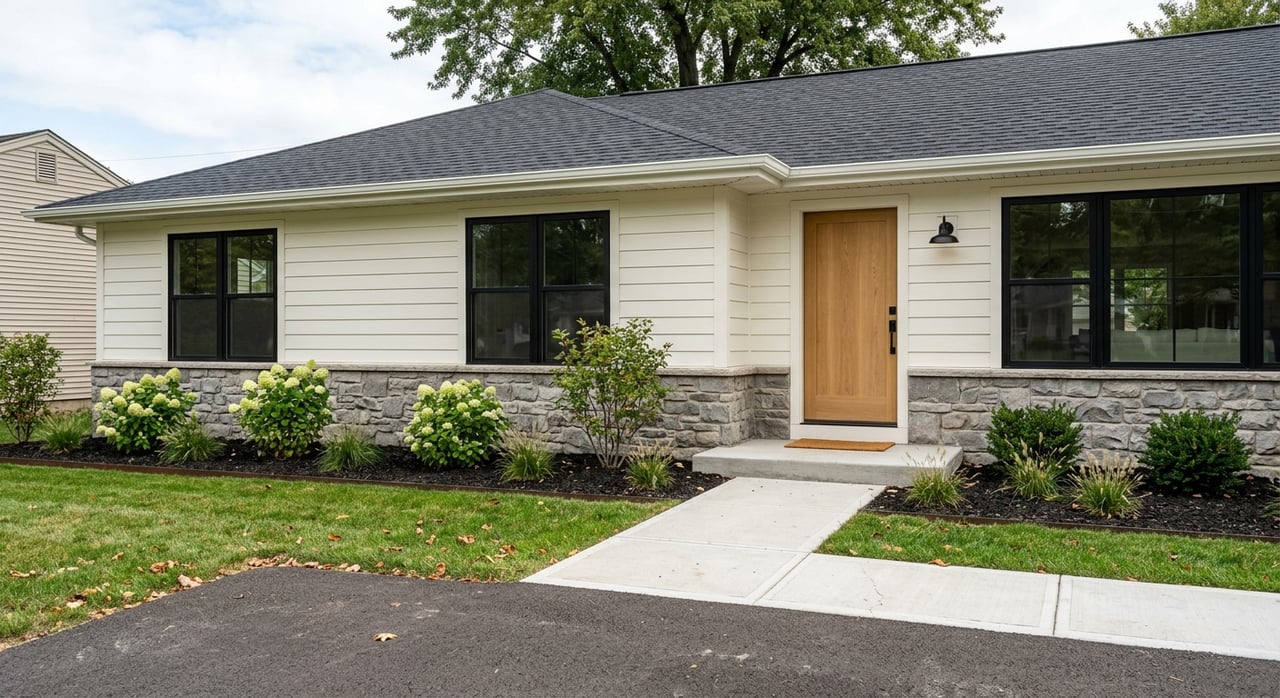
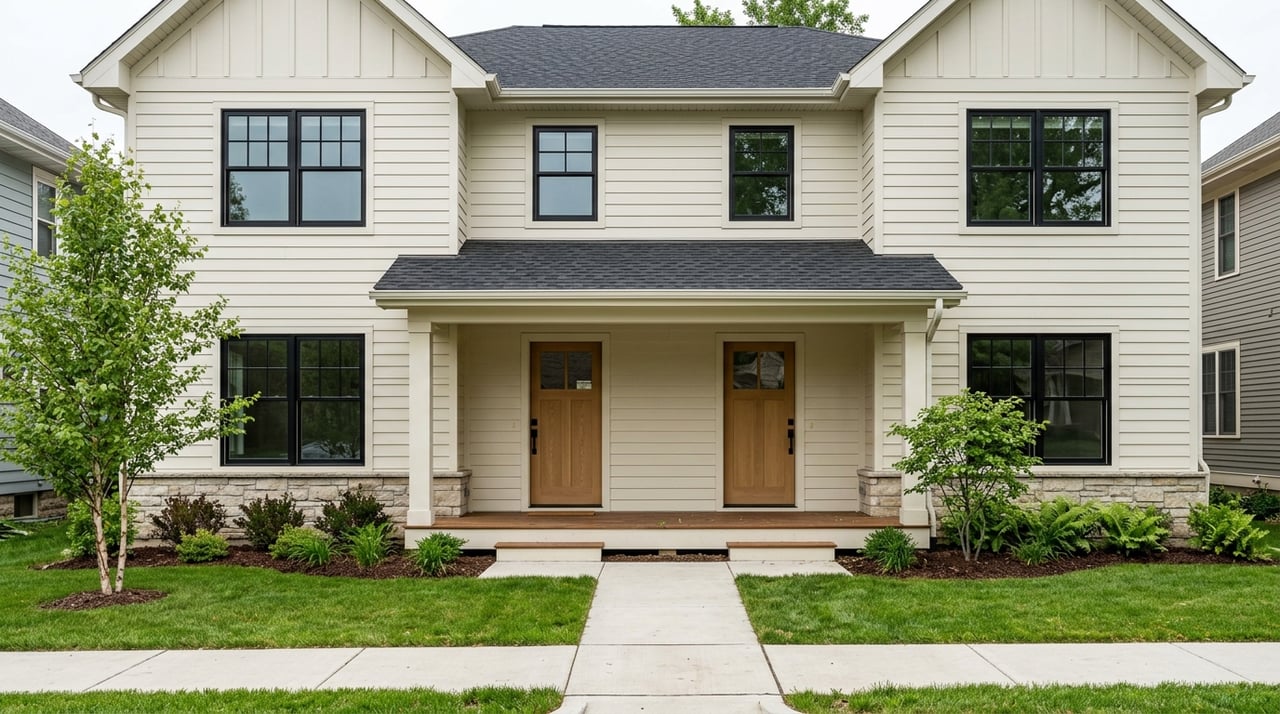
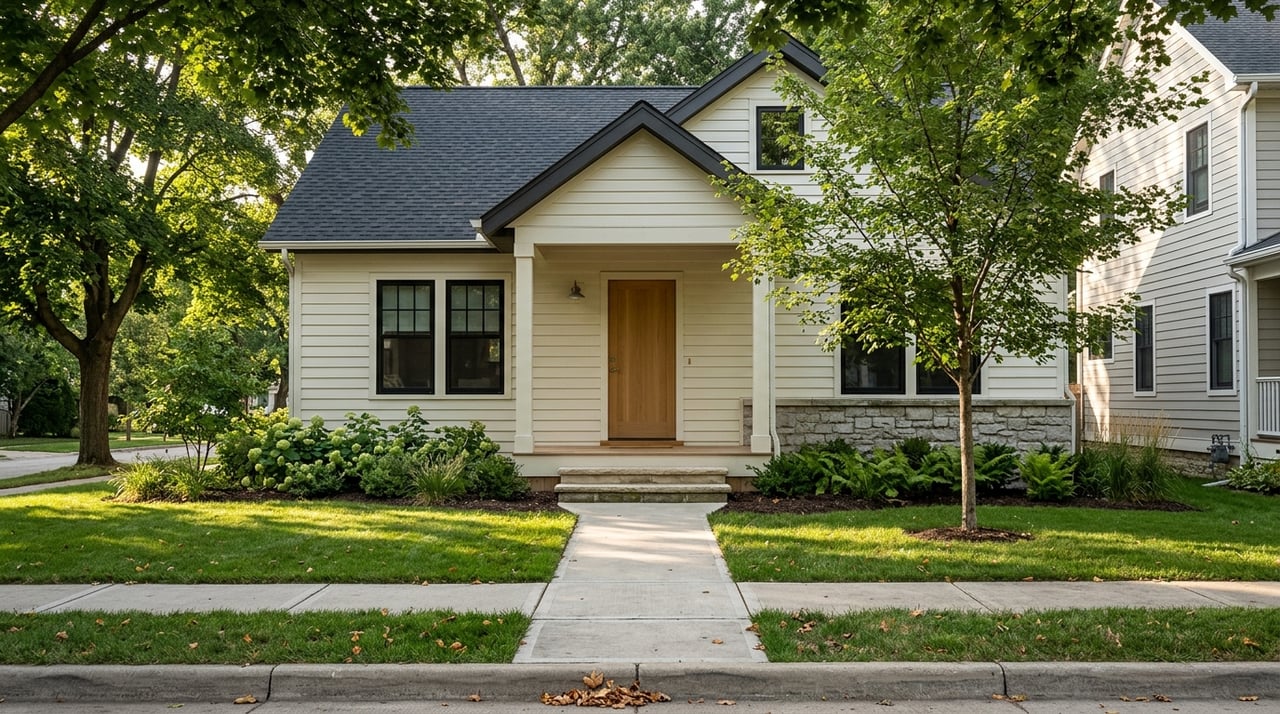
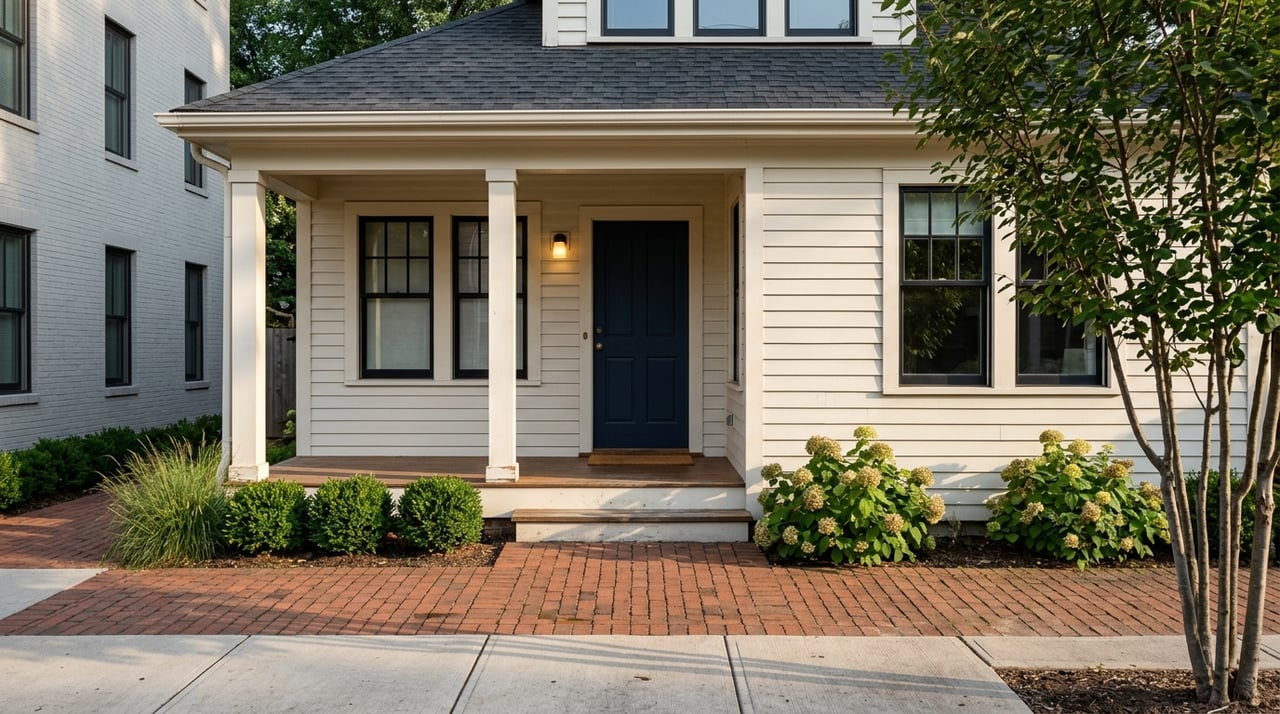
Your exterior sets the tone before a buyer ever steps inside. If the yard looks tidy and the entry feels cared for, buyers tend to feel better about the rest of the home.
For many Traverse Heights homes, the best curb appeal updates are simple and visible:
These updates do not need to be expensive to work. In a neighborhood with older homes and practical price points, buyers often respond well to signs of consistent maintenance.
Once buyers walk in, they want to picture an easy move, not a long project list. That is why cleaning and decluttering should come before almost anything else.
Focus on the surfaces and spaces buyers notice quickly. Clean windows, carpets, light fixtures, walls, and floors. Remove extra furniture, stack away personal items, and clear crowded countertops so each room feels more open.
This step is especially important if your home is on the smaller side. Reducing visual clutter can help modest rooms feel more spacious and functional, which is a smart strategy in Traverse Heights.
You do not need to redesign the whole house before listing. In most cases, modest refreshes do more for buyer perception than major renovations.
Prioritize the fixes that buyers can see right away:
These changes help your home read as move-in ready. That can be especially helpful in a market where buyers are comparing several homes in a similar price bracket.
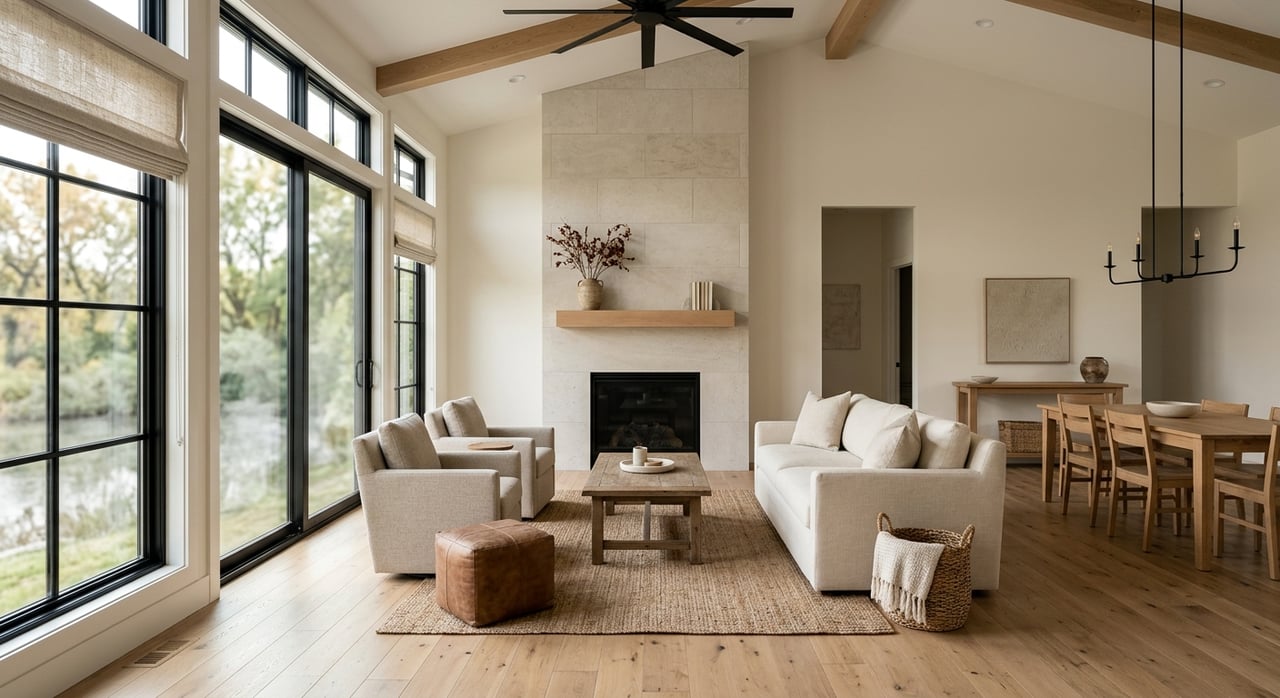
Staging does not have to mean filling every room with new furniture. It means helping buyers understand how the home lives.
According to NAR’s 2025 staging report, 83% of buyers’ agents said staging made it easier for buyers to visualize a property as a future home. The rooms staged most often were the living room, primary bedroom, and dining room.
For a Traverse Heights seller, that suggests a focused approach:
If you are deciding where to spend time and money, start there. These spaces often shape the emotional side of a buyer’s decision.
If you want fewer surprises later, a pre-list inspection can be a smart step. NAR notes that sellers sometimes choose to inspect before listing so they can learn about the home upfront, decide what to repair, and prepare for buyer questions.
A typical home inspection may review the structure, exterior, roof, plumbing, electrical systems, heating and air conditioning, interiors, insulation, ventilation, and fireplaces. It may also include testing for issues like mold, radon gas, lead paint, or asbestos.
In older housing stock, inspection concerns often include drainage, faulty wiring, HVAC issues, tripping hazards, and missing or inadequate smoke and carbon monoxide detectors. Knowing about these items early gives you more control over the listing process.
Not every repair deserves the same urgency. Before listing in Traverse Heights, focus first on issues that affect safety, function, or buyer trust.
A practical repair checklist includes:
These are the kinds of issues buyers may flag quickly during tours or inspections. Taking care of them before you list can help your home feel better maintained and reduce negotiation pressure later.
If your home was built before 1978, this is an important step. The EPA’s Lead-Based Paint Disclosure Rule applies to most pre-1978 housing and requires sellers and agents to disclose known information about lead-based paint and lead hazards before a sale.
The rule also requires that buyers receive the EPA and HUD pamphlet and get a 10-day period to conduct a lead inspection or risk assessment. Peeling, chipping, cracking, chalking, or otherwise damaged paint is the main concern.
If your Traverse Heights home falls into this age range, make sure lead disclosure and any lead-safe renovation practices are addressed before listing materials go live. This is a compliance item, not just a cosmetic one.
One of the biggest mistakes sellers make is pricing from hope instead of local evidence. In Traverse Heights, the current numbers suggest buyers are active but careful.
With a median listing price of $325,000, a median sale price of $311,395, and a median of 58 days on market, pricing needs to reflect current condition and neighborhood competition. Since homes were selling for about asking price on average, the goal is not usually to leave room for a large aspirational cushion. The goal is to enter the market at a number that feels supported.
That is why block-level comparable sales, current inventory, and your home’s condition matter so much. In a value-driven segment, an overpriced home can lose momentum fast.
Confident selling usually starts weeks before your home hits the market. Instead of rushing, think in a sequence that supports a better launch.
A practical order looks like this:
The median 58 days on market in Traverse Heights is a useful planning baseline. Even a well-prepared home may need a multi-week marketing window, so it helps to set expectations early and avoid unnecessary pressure.
Selling confidently in Traverse Heights does not mean making every surface perfect. It means understanding what buyers in this neighborhood are likely to value, then preparing your home in a way that supports those expectations.
Clean presentation, visible maintenance, realistic pricing, and a thoughtful rollout can go a long way in a neighborhood where buyers are comparing condition and value carefully. When your home feels cared for and your pricing matches the market, you put yourself in a much stronger position from day one.
If you are thinking about selling in Traverse Heights and want a neighborhood-focused plan, Live Traverse City can help you evaluate your home, prioritize the right prep steps, and create a listing strategy that fits today’s market.
Stay up to date on the latest real estate trends.
Take back your time. Allow the Live Traverse City Real Estate Team to assist you with your property needs. Whether you're buying, selling, or investing, our team will simplify the process and maximize your time.