Is Central Traverse City Living the Right Fit?
If you want a neighborhood where you can leave the car at home more often, Central Traverse City deserves a close look. Many buyers want that mix of daily convenience, local character, and easy access to downtown, but it can be hard to tell which areas truly deliver. In this guide, you’ll get a practical look at what walkable living in Central Traverse City really feels like, what types of homes you’ll likely see, and what to keep in mind before you buy. Let’s dive in.
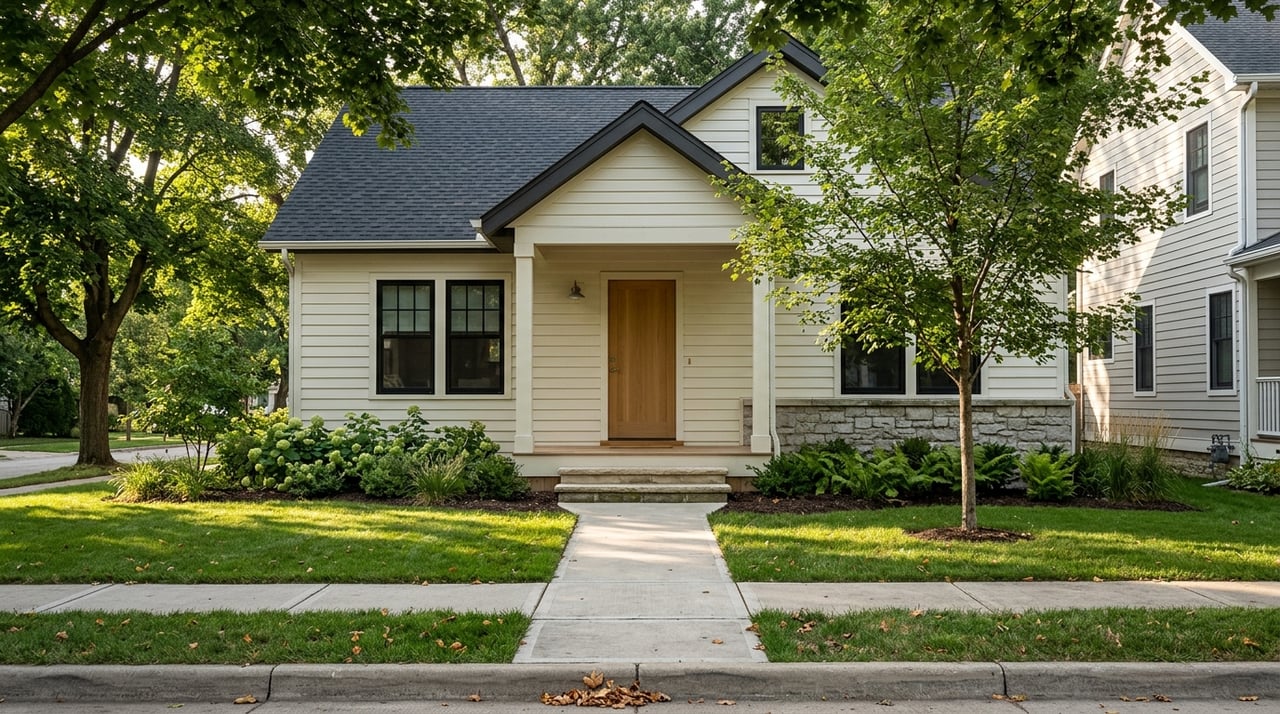
Central is one of Traverse City’s official neighborhood associations and one of the city’s three designated historic districts. City materials describe it as a long-established in-town neighborhood with tree-lined streets, sidewalk connectivity, spacious lots and lawns, and distinct character from one street to the next.
That matters if you are looking for a neighborhood that supports daily movement on foot or by bike. Walkability here is not just about being close to downtown. It is also about having connected sidewalks, nearby parks, and access to trails that tie the neighborhood into the rest of the city.
Central stands out for its historic residential setting. City planning materials say the neighborhood has grown over time while maintaining its historic character and landmark structures, and the Boardman River plan notes that some of the city’s oldest residences are found here.
You will not find a one-style-fits-all layout in Central. Instead, the neighborhood feels more layered and established, with older architecture, mature streetscapes, and block-to-block variety. If you like neighborhoods with a clear sense of place, that is a big part of the appeal.
Central is primarily a single-family neighborhood, and it is known for older homes rather than new construction. City materials describe large Victorian mansion-style homes and other late-19th-century character properties as part of the area’s housing mix.
Historic Sixth Street is especially notable. City documents identify Perry Hannah’s Victorian mansion as a major influence on the neighborhood’s development, and the Perry Hannah House is described as one of Michigan’s finest Queen Anne homes.
For you as a buyer, this usually means more architectural detail and more individuality from property to property. It can also mean more maintenance planning than you might expect in a newer neighborhood, simply because older homes often come with older systems, original materials, or a need for thoughtful updates.
Because parts of Central are within a designated historic district, some exterior changes may be subject to local historic-district review standards. That does not mean owning in Central is overly complicated, but it does mean you should understand the rules that apply to a specific property before making plans for renovations or exterior updates.
This is especially important if you are drawn to the neighborhood for its charm but also want to personalize a home. A local, property-specific review can help you understand what may be allowed on a given block and what process may apply.
One of Central’s biggest strengths is how it connects to Traverse City’s broader trail network. The city says its connected streets and multi-use paths, including the TART Trail and the Boardman Lake Loop, link neighborhoods, downtown, parks, and other everyday destinations.
That network adds real value to day-to-day living. Instead of thinking only in terms of driving routes, you can picture bike rides, walks to green space, and easier access to downtown without needing to park each time you go out.
The Boardman Lake Loop is a fully accessible 4-mile trail around Boardman Lake, just south of downtown. According to the city, it provides access to the library, parks, residential areas, and nearby businesses, and the final loop opened in July 2022.
For many buyers, that is one of the most practical lifestyle benefits near Central. It gives you a scenic, usable route for exercise, casual outings, and everyday trips, all within reach of an in-town neighborhood.
Hull Park connects directly to the TART Trail, which helps extend Central’s access beyond its own sidewalks. When a neighborhood plugs into a wider trail system, walkable living tends to feel more flexible and more useful.
That can be especially appealing if you want a car-light routine. You may still drive often, but having another easy option for getting around can change how you use the city from day to day.
Central’s walkability also benefits from nearby parks and public spaces. Hull Park sits at the north end of Boardman Lake, and the city notes that its boat launch provides easy access for small boats, kayaks, and sailboats.
Hannah Park is located in the historic Central Neighborhood on the Boardman River and includes Perry Hannah Plaza. That gives the neighborhood both green space and a historic landmark woven into everyday life.
These nearby outdoor spaces make Central feel more livable, not just more connected. If you enjoy the idea of stepping out for a walk, spending time by the water, or having parks close to home, this part of the city has a lot to offer.
A major reason buyers consider Central is its relationship to downtown Traverse City. The city says downtown is home to more than 200 locally owned businesses, more than 50 restaurants, and one of the largest farmers markets in Michigan.
That kind of proximity can shape your routine in a meaningful way. Coffee, dinner, shopping, seasonal events, and errands may feel easier to fit into your week when downtown is close by and connected through neighborhood streets and trails.
The Downtown Traverse City DDA says the Sara Hardy Downtown Farmers Market is one of the top three largest markets in the state and the largest growers-only market. For buyers who value local food and a strong downtown rhythm, that is a real lifestyle feature.
You are not just buying a home in Central. You are also buying proximity to a city core with regular activity, local businesses, and public gathering spaces that many people want close at hand.
Central is not generally about owning a true waterfront parcel. Instead, one of its advantages is being near several public water-oriented destinations.
The Boardman River runs through the city and downtown, J. Smith Walkway connects Front Street to the river, Clinch Park offers a beach, splash pad, and marina along West Grand Traverse Bay, and West End Beach provides another bayfront option. For many buyers, that means you can enjoy water access as part of everyday life without needing a waterfront property.
Central can be a strong match if you want historic in-town living with daily walkability. Buyers who are drawn to older homes, architectural detail, trail access, and downtown convenience often find a lot to like here.
It may be especially appealing if you value a neighborhood that feels established rather than newly built. The combination of sidewalks, parks, trails, and downtown proximity creates a lifestyle that feels active and connected without being overly dense.
Every neighborhood has tradeoffs, and Central is no exception. In a historic, walkable area like this, housing stock is often less uniform, home maintenance can require more attention, and some properties may fall under local historic-district review.
That does not make Central harder to love. It simply means the best buying decision usually comes from understanding both the charm and the responsibilities that can come with an older in-town home.
If you are exploring Central Traverse City and want help comparing blocks, housing styles, and lifestyle fit, Live Traverse City can help you narrow your options and move forward with confidence.
Stay up to date on the latest real estate trends.
Take back your time. Allow the Live Traverse City Real Estate Team to assist you with your property needs. Whether you're buying, selling, or investing, our team will simplify the process and maximize your time.