Slab Town Homes As Long-Term Rental Investments
Looking for a Traverse City rental investment that can hold up over time? In Slab Town, the story is less about chasing speculation and more about buying in a well-located neighborhood with real day-to-day appeal. If you are weighing whether this west-side area fits your buy-and-hold goals, this guide will walk you through what drives renter demand, which property types make the most sense, and where to be cautious with your numbers. Let’s dive in.
Slab Town stands out because of its location and livability. It is one of Traverse City’s older west-side neighborhoods, and the city describes it as a former industrial and lumber area whose core is now predominantly residential. Most homes are single-family, with a few multi-family buildings near the edges.
For long-term renters, convenience is the big draw. Slab Town sits close to downtown Traverse City and the west bayfront, and the city highlights bike-friendly streets and multi-use paths that connect neighborhoods, downtown, parks, and other destinations. BATA’s free Bayline also helps connect key areas like downtown, Grand Traverse Commons, Northwestern Michigan College, Munson Medical Center, and the bayfront corridor.
That access can widen your potential renter pool. A neighborhood that supports walking, biking, transit use, and quick access to recreation often appeals to more than one kind of household, which can help support steady demand over time.
Neighborhood amenities play a real role in long-term rental appeal. The city identifies Slabtown Corner, Wags West Dog Park, West End Beach, and Veterans Park as part of the neighborhood’s edges and recreation assets.
Those features do not guarantee performance, of course, but they add to the daily lifestyle value of living in the area. For a renter comparing in-town options, easy access to parks, the waterfront, and commercial frontage along West Front Street can make Slab Town especially practical.
If you are buying in Slab Town, it helps to zoom out and look at the broader housing base in Traverse City. Census QuickFacts reports 15,832 residents in the city as of July 2025 and 7,191 households. The owner-occupied housing rate is 63.7 percent, and the median gross rent is $995.
The same data shows 23.9 percent of residents are age 65 and over, and 85.6 percent of people lived in the same house one year ago. That suggests a city with a meaningful share of stable households, which can support demand for manageable, easy-to-live-in homes and rentals.
At the county level, Grand Traverse County has 96,729 residents, 47,454 total jobs, and 3,549 employer establishments. That broader employment base matters because Slab Town is not operating in isolation. It benefits from being part of a compact city within a larger regional economy.
Employment centers are an important part of the long-term rental picture. A Grand Traverse County government staff bio states that Munson Healthcare is the area’s largest employer. Downtown Traverse City is also described by the Downtown Development Authority as the region’s hub for commerce, culture, arts, and entrepreneurship.
Transit connectivity strengthens that demand story. With the Bayline linking downtown, Munson, NMC, the Commons, and bayfront areas, Slab Town can be practical for renters who want in-town access without depending completely on a car.
Traverse City’s consolidated plan says there is significant demand for affordable rental units and homes for purchase that support the workforce, including service industry workers, teachers, and healthcare professionals. The same plan notes that renters more often occupy smaller units such as efficiencies and one-bedrooms.
That point is useful if you are evaluating unit mix or deciding between a larger house and a smaller, more efficient layout. In many cases, right-sized space may align better with actual renter demand than oversized square footage.
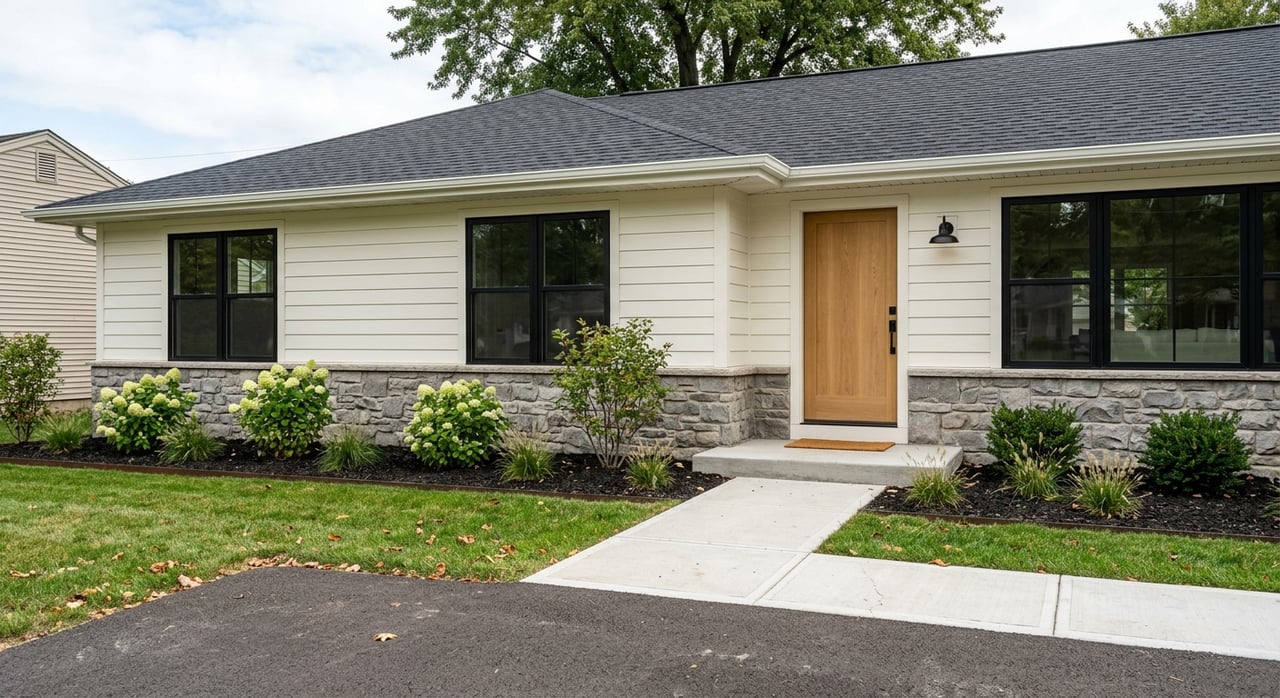
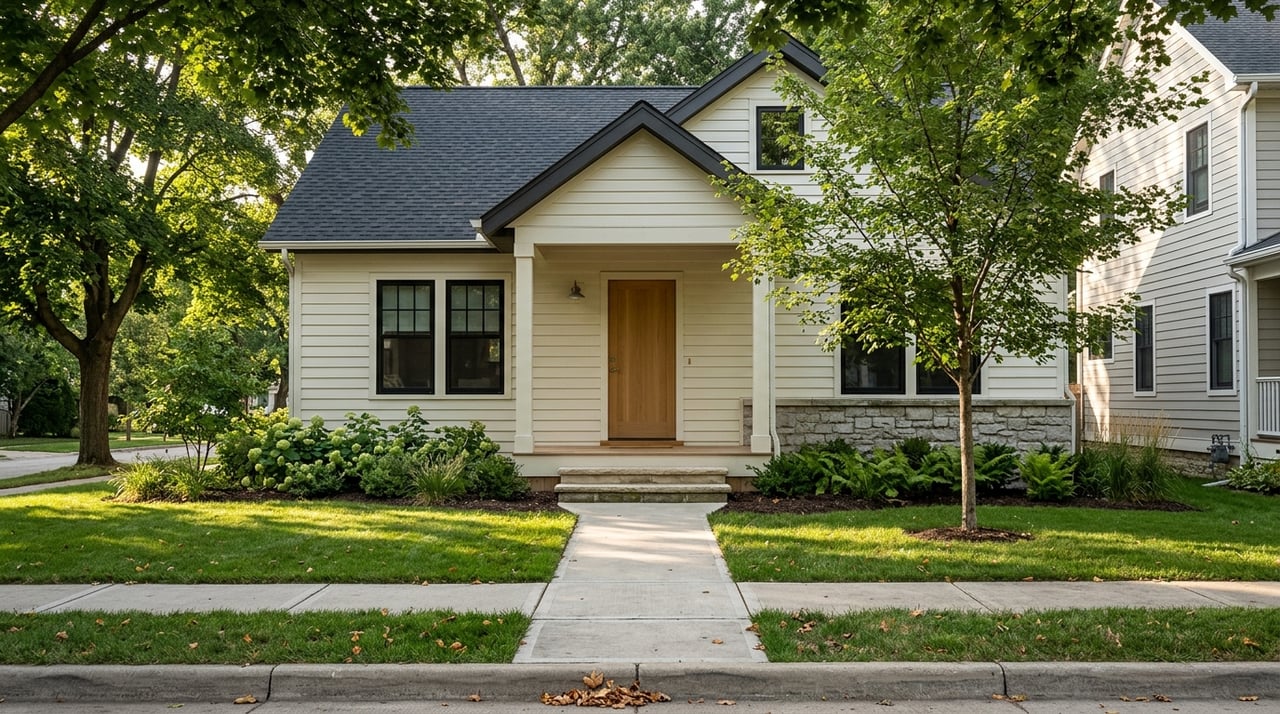
Slab Town’s physical pattern gives you a clue about what tends to fit. According to city neighborhood materials, homes in the area are typically around 1,400 square feet, lots are commonly about 7,500 square feet, and alley-loaded garages are common where possible.
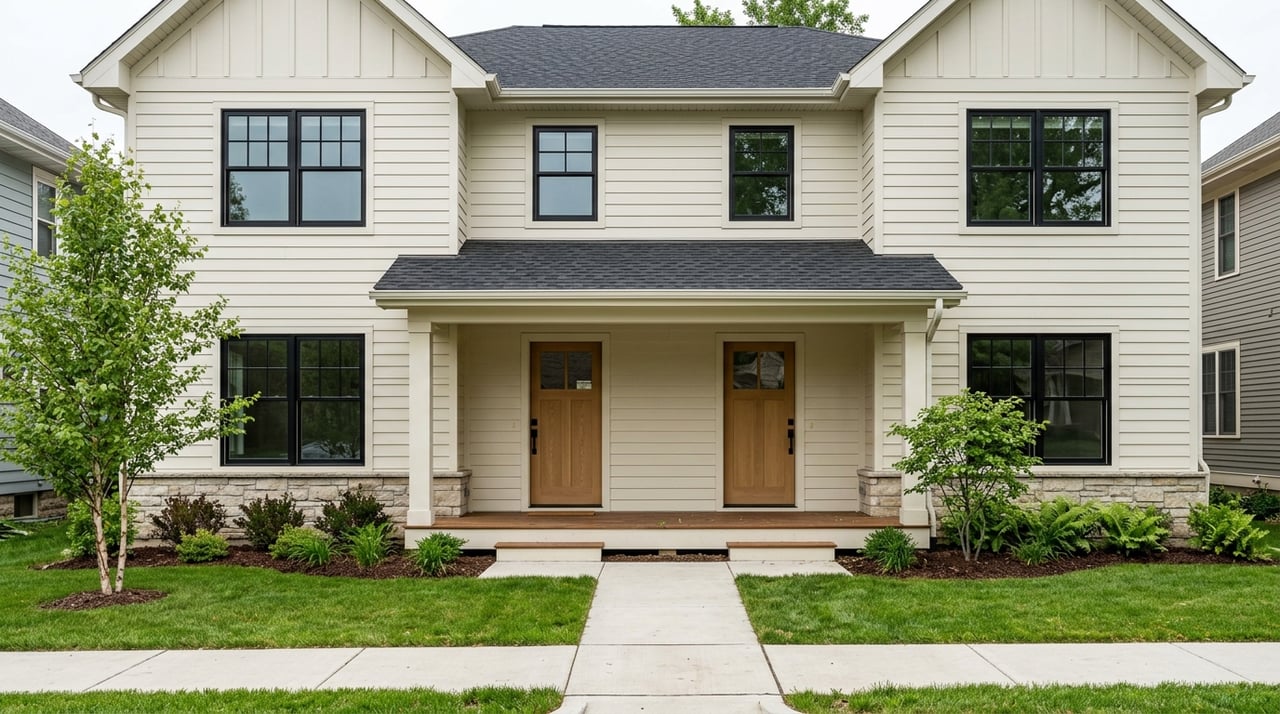
That scale points toward a handful of practical long-term rental formats. Smaller single-family homes, duplexes, and low-maintenance condos or small multifamily properties are often the most natural fit because they match both the neighborhood pattern and the city’s broader note that renters tend to favor smaller units.
In a neighborhood like Slab Town, the most appealing rental properties are often the ones that work well in everyday life. Parking, storage, snow-friendly access, and efficient floor plans can matter as much as finishes.
That is especially true in an older in-town neighborhood. A renter who values bike access or walkability may still want usable storage, practical circulation in winter, and a layout that feels comfortable without being too large.
The clearest caution for investors in Slab Town is age. Traverse City’s housing stock is older overall, and the city’s consolidated plan says 69 percent of renter-occupied units were built before 1980, while 29 percent were built before 1950. It also notes that pre-1980 housing is treated as higher risk for lead-based paint.
Older homes can still be strong long-term holds, but they usually require more discipline. The city also reports that 47 percent of renter-occupied units have at least one housing condition as broadly defined by HUD, which points to the importance of condition, maintenance planning, and renovation budgeting.
If you are underwriting a Slab Town rental, assume capital needs will be part of the deal. Roofs, windows, plumbing, electrical systems, moisture control, and deferred maintenance deserve close attention.
That does not mean every older property is a problem. It means your inspection process, reserves, and renovation assumptions need to be more careful than they might be in a newer housing market.
Slab Town may be a durable long-term hold, but it is not a market where loose assumptions leave much margin for error. Traverse City’s median gross rent is $995, while the median value of an owner-occupied home is $415,400. The city’s consolidated plan also reported a median contract rent of $948 for the 2018 to 2022 ACS period, and said that more than two-thirds of paying rental units fell between $500 and $1,499 per month.
Those numbers suggest a simple reality. You may be buying into a desirable in-town location, but the rent ceiling still needs to support the acquisition price, financing, and ongoing operating costs.
When you evaluate a Slab Town rental, focus on the basics:
None of those steps are glamorous, but they can help you avoid overestimating cash flow. In a neighborhood like Slab Town, disciplined underwriting is often what separates a durable hold from a frustrating one.
Slab Town looks strongest as a location-driven rental investment. Its appeal comes from in-town convenience, access to downtown and the bayfront, neighborhood parks, transit options, and a housing pattern that can fit smaller, manageable rentals.
That combination can support stable long-term demand, especially for well-located properties with practical layouts. If you buy carefully and keep your numbers conservative, Slab Town can make sense as a buy-and-hold neighborhood for year-long leases.
The opportunity in Slab Town is not about easy cash flow on any property that comes to market. The neighborhood’s older housing stock and relatively expensive in-town pricing mean you need to stay realistic about repairs, reserves, and achievable rent.
In other words, location is the upside, but purchase discipline is the protection. The best investments here are often the ones where the property condition, layout, and basis all line up with what long-term renters in Traverse City actually need.
If you want help evaluating Slab Town homes, comparing neighborhood-level opportunities, or narrowing down properties that fit a long-term rental strategy, the team at Live Traverse City can help you make a more informed move.
Stay up to date on the latest real estate trends.
Take back your time. Allow the Live Traverse City Real Estate Team to assist you with your property needs. Whether you're buying, selling, or investing, our team will simplify the process and maximize your time.