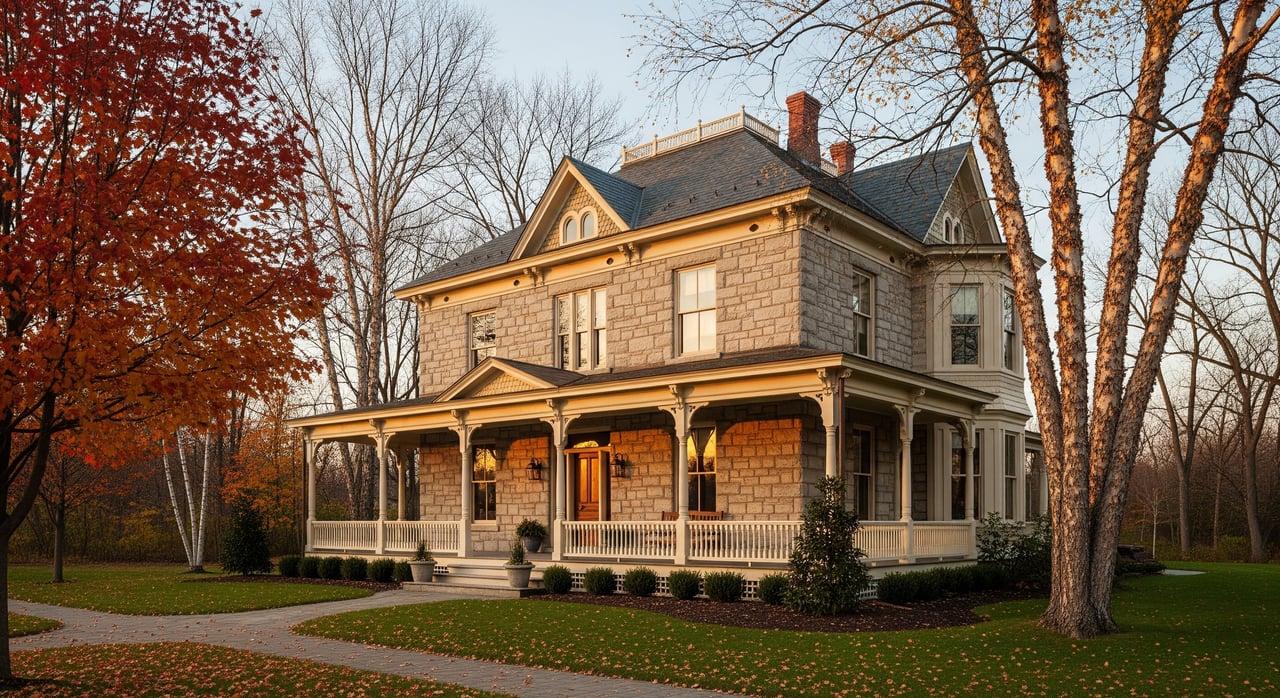
Essential Tips for Buying Historic Homes in Slab Town
If you love the look of tall windows, front porches, and streets lined with mature trees, Slab Town may be calling your name. You want character and walkability, but you also want to buy smart so your renovation plans stay on track. In this guide, you will learn how to evaluate historic homes in Slab Town with clear steps for inspections, budgeting, approvals, and financing. Let’s dive in.
Slab Town is known locally for its older homes, pedestrian-friendly blocks, and a neighborhood feel close to downtown Traverse City amenities. Many homes were built in the late 19th and early 20th centuries, and that history shows in the details. You get architectural charm and the chance to personalize a space while preserving its character.
Expect a mix of Queen Anne and Late Victorian forms, American Foursquare, Craftsman and Bungalow, and Colonial Revival. These styles highlight features like covered porches, decorative millwork, wood siding or original brick, and tall windows. Floor plans can be irregular compared with newer construction, which many buyers find appealing and unique.
Lots are typically smaller and set on a grid, which supports walkability. Houses sit closer to the street with front porches that connect you to the neighborhood. Parking can vary, with a mix of on-street and small driveways. Mature trees and established landscaping add to the area’s charm.
If you value connection and convenience, Slab Town offers both. You are close to local events, shops, and dining, with a neighborhood setting that feels grounded in history. Many buyers see these lifestyle benefits as a core part of their decision.
Before you fall in love with a house, confirm what rules apply to exterior changes. This step can shape your project scope, materials, and timeline.
First, check if the property is inside a municipal historic district or subject to design review. These rules often cover exterior work like siding, windows, porches, and demolition. Contact Traverse City or Grand Traverse planning and building departments for district maps, guidelines, and permit processes. Plan for added lead time compared with non-historic areas.
Some properties carry preservation easements or deed restrictions that limit alterations. These restrictions run with the land and remain after a sale. Ask your title company or closing attorney to review the deed and recorded documents early.
The Federal Historic Rehabilitation Tax Credit generally applies to income-producing properties, not owner-occupied single-family homes. State-level incentives can vary over time, so consult the Michigan State Historic Preservation Office for current guidance. Local grant or loan programs may exist for façade improvements or rehabilitation, and the city or county can point you to options.
Exterior work often requires review and permits in historic areas. Plan your schedule with this in mind. Specialty materials and trades may add time, so build flexibility into your project plan.
Historic homes reward care and attention. Knowing where to look helps you avoid surprises and budget wisely.
If the home was built before 1978, assume lead-based paint may be present. Sellers must follow disclosure rules at sale, and mitigation or abatement requires specific safety practices or licensed contractors. Asbestos may appear in items like floor tiles or pipe wrap in older homes. If you plan to disturb suspect materials, testing and licensed abatement are key.
Older electrical systems can include knob-and-tube wiring or outdated service panels. Many insurers require upgrades and modern safety features like GFCIs. Plumbing may include galvanized supply lines or aging drains that corrode and clog. Heating and cooling systems may be dated, and adding central AC can be more invasive in historic interiors.
Stone or brick foundations can show mortar deterioration, settling, or water intrusion in Michigan’s freeze and thaw cycles. Original wood siding and trim are often repairable but need consistent maintenance. Historic windows can often be repaired and weather-stripped rather than fully replaced. Porches are a defining feature and a common repair area, with attention needed for posts, joists, and flooring.
Proper grading, gutters, and downspouts are essential to keep water out of basements and foundations. Sump systems should be inspected for function. Mature trees are an asset, but roots near foundations can affect drainage and cause movement. A moisture and drainage check is always worthwhile.
Older walls may have limited insulation. Focus first on attic and basement insulation where access is easier and impact is high. Window repair, storm windows, and targeted air sealing often deliver comfort without removing historic character. Full window replacement can trigger design review and change the home’s appearance.
Historic homes vary widely in condition and scope. Set a realistic budget with room for discovery and plan your sequence of work.
A cosmetic refresh with paint, floor refinishing, and minor tune-ups is usually the most affordable path. Mid-range work often includes kitchen and bath updates along with selective system upgrades. Full rehabilitation, where structural repairs, roofing, and full system replacements are needed, will be the most costly. Include a contingency of at least 10 to 20 percent, and allocate more if you suspect structural or environmental issues. Safety and weatherproofing should come first.
Small projects like paint, floors, and minor mechanical work can take weeks to a few months. Mid-sized renovations, such as kitchen or bath remodels and partial system replacement, usually run several months. Major rehabilitation, including structural work and permit-driven exterior changes, can take many months to over a year. Specialty trades and design review can add weeks to months.
Renovation mortgage programs like FHA 203(k) and Fannie Mae HomeStyle can combine purchase and rehab in one loan. Program details change over time, so work with a lender experienced in renovation financing in Michigan. For large restorations, some buyers use construction or rehab loans that convert to permanent financing. Speak with your insurance provider early, since older electrical systems, roof condition, and agreed-value coverage for unique features can affect premiums and eligibility.
Use this step-by-step approach from pre-offer to post-close to stay organized and reduce risk.
Buying a historic home in Slab Town is both exciting and detailed. With the right plan and a team that understands preservation, you can protect the character you love while making smart upgrades. Our team pairs neighborhood-level insight with practical guidance on inspections, financing, and project planning.
If you are ready to explore historic homes in Slab Town, reach out to Live Traverse City. We can help you search, compare options, and connect you with trusted local lenders, inspectors, and contractors so your purchase and renovation go smoothly.
Stay up to date on the latest real estate trends.
Take back your time. Allow the Live Traverse City Real Estate Team to assist you with your property needs. Whether you're buying, selling, or investing, our team will simplify the process and maximize your time.