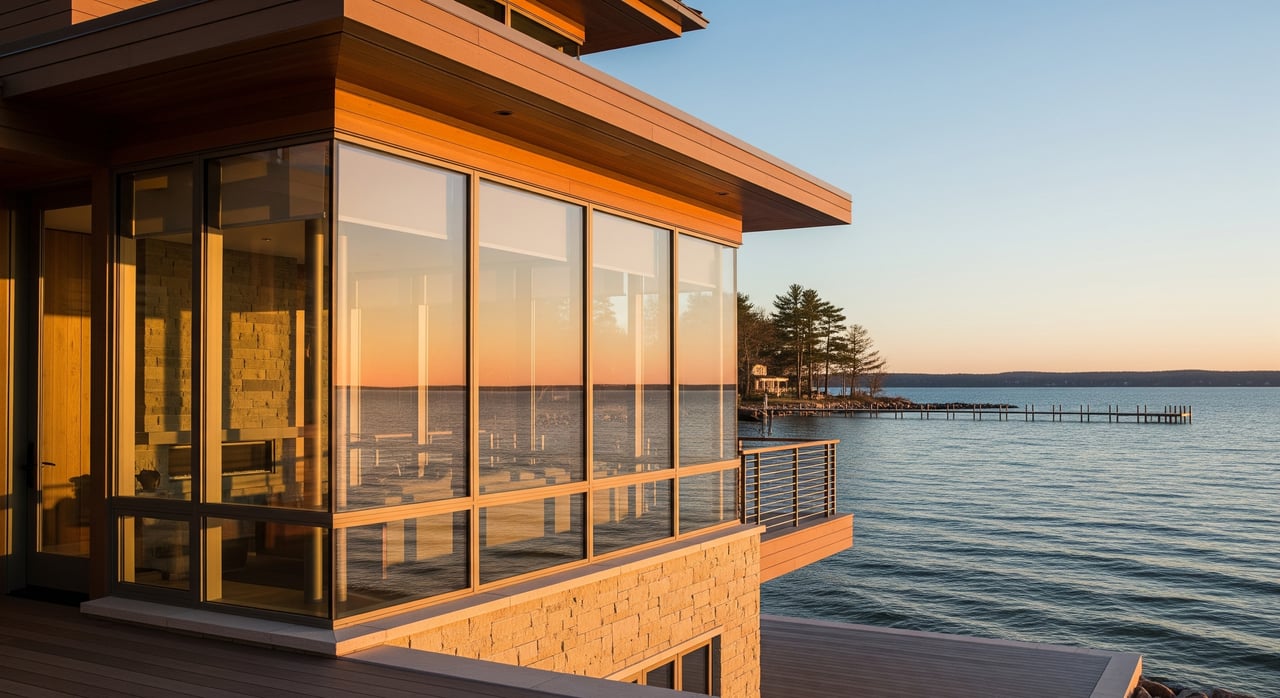
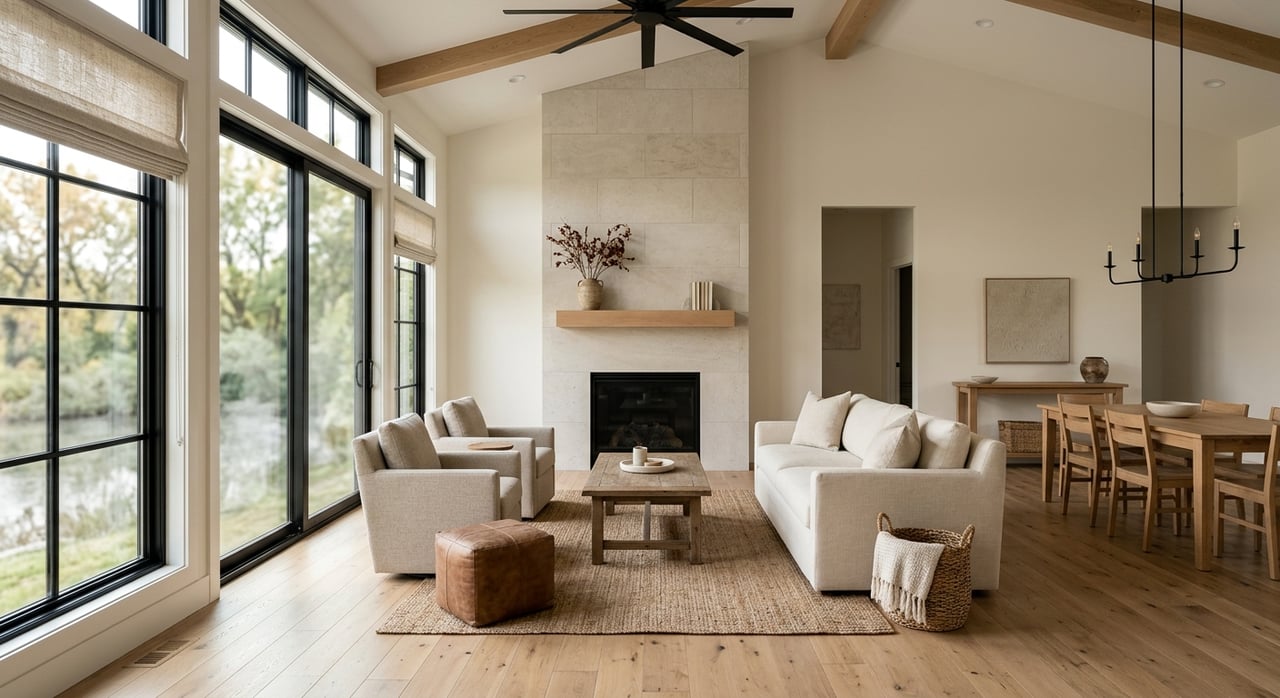
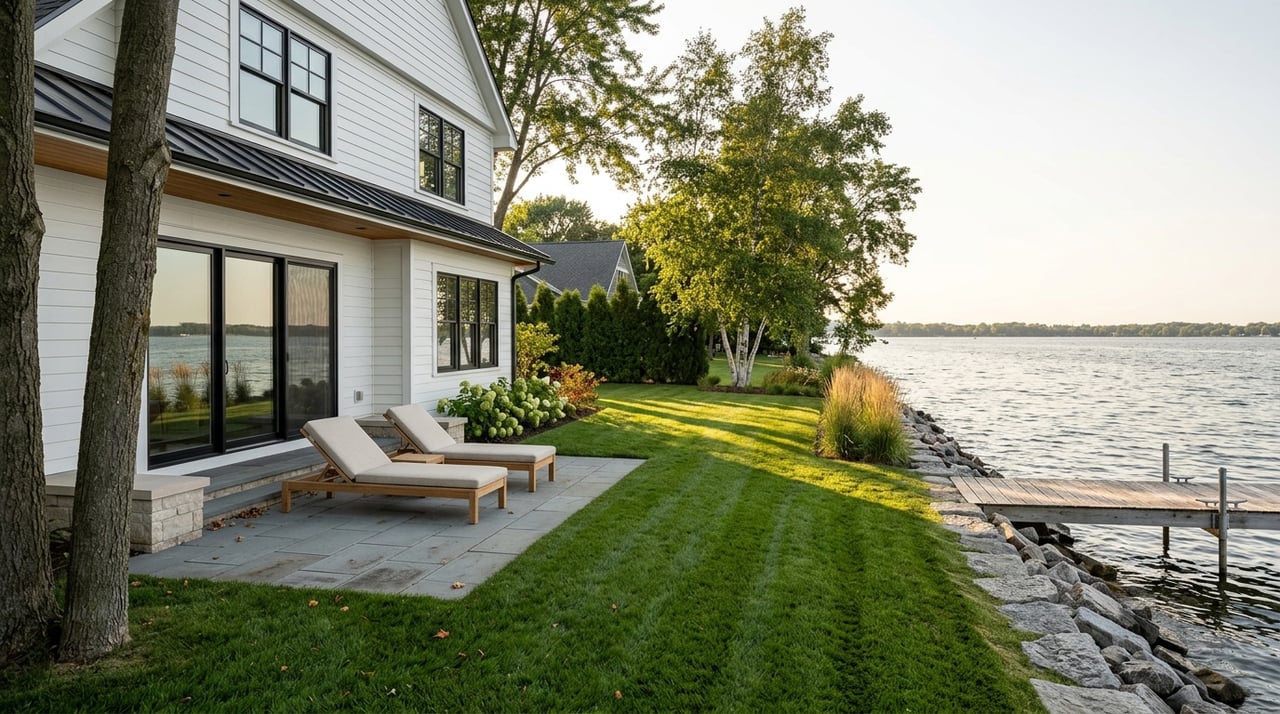
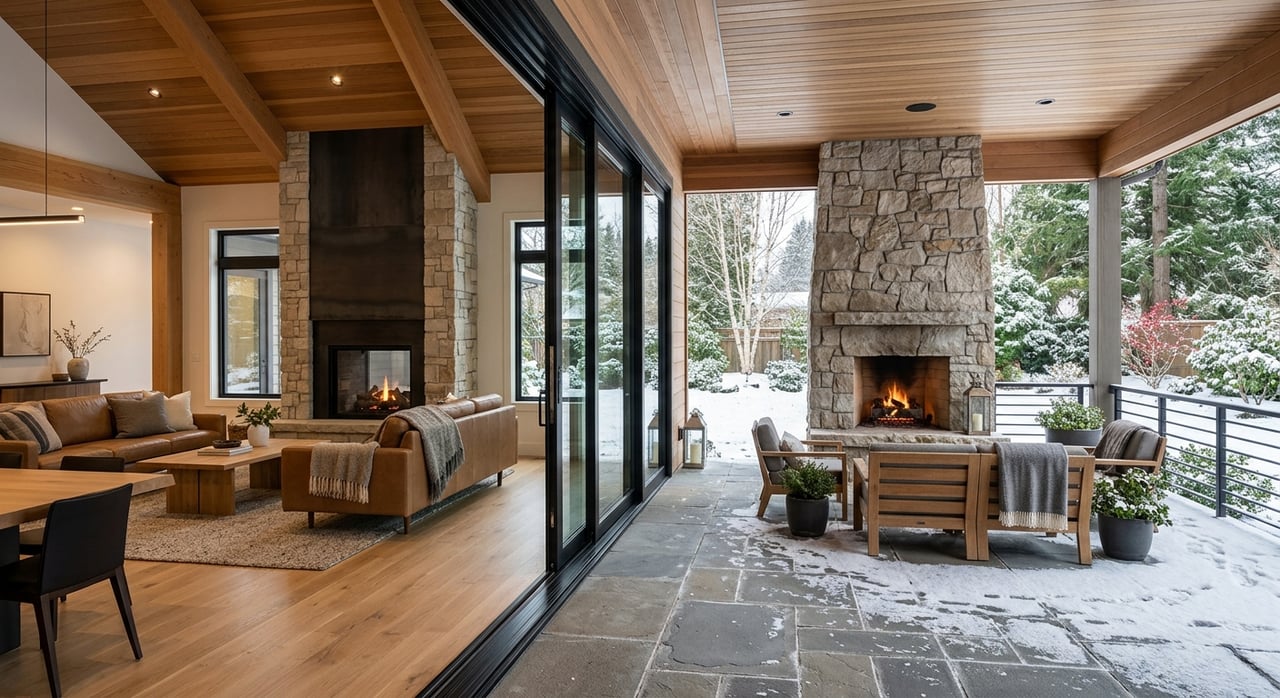
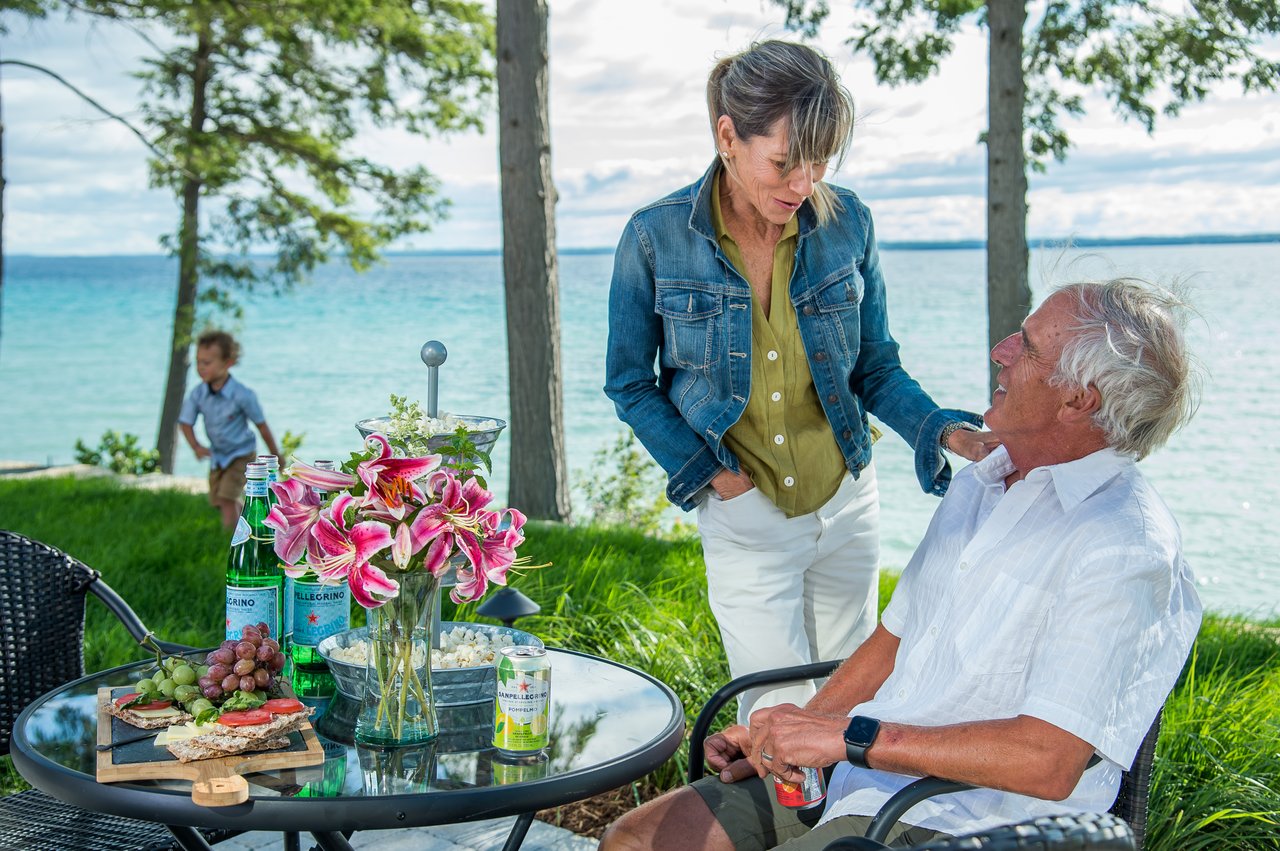
Do you love your wide bay views but dread the winter drafts or late‑day glare? On Old Mission Peninsula, windows do the heavy lifting against wind, moisture and seasonal swings while framing the water you moved here to enjoy. With a few smart choices, you can keep the panorama and gain comfort, energy savings and durability. This guide breaks down the best window specs, installation practices and upgrade priorities for Peninsula Shores waterfront homes. Let’s dive in.
Why windows matter on the bay
Waterfront homes near Grand Traverse Bay face unique conditions. Winters are cold, summers are mild, and humidity stays higher near the water. Winds pick up across the bay, and spring and fall bring big day‑night temperature swings. These factors put extra stress on glazing, seals and frames.
What this means for you:
- You benefit from low U‑factor glazing that holds heat in winter and resists condensation.
- Orientation-specific solar control helps curb summer overheating and glare, especially facing west toward the water.
- Wind‑resistant frames, anchorage and flashing are essential to prevent leaks in wind‑driven rain.
- Corrosion‑resistant hardware and durable sealants extend lifespan in a humid, UV‑exposed setting.
Set your performance targets
When you shop, look for the NFRC label. The key metrics:
- U‑factor: Heat transfer rate. Lower is better for winter comfort.
- SHGC (solar heat gain coefficient): How much solar heat enters. Choose by orientation.
- VT (visible transmittance): How much daylight and view you keep.
- Air leakage and condensation resistance: Both affect comfort and moisture.
Recommended ranges for northern Michigan:
- U‑factor: Aim for ≤ 0.30. For large glass walls or top‑tier comfort, consider 0.20 to 0.25.
- SHGC by orientation:
- South: 0.30 to 0.40 if you want some winter gain, paired with shading control.
- West: ≤ 0.25 to limit late‑day heat and glare off the bay.
- North: Low SHGC is fine; prioritize low U‑factor and higher VT.
- VT: Choose the highest that still meets your glare and heat goals. Spectrally selective low‑e coatings can keep VT up while trimming SHGC.
Pick glazing by orientation
South-facing bays
If you have open southern exposure, a moderate SHGC can add free heat on sunny winter days. Use overhangs or light shades to limit summer gain. Keep U‑factor low to prevent cold glass and condensation.
West and southwest views
This is where glare and late‑day heat spike. Favor low SHGC and coatings designed to reduce solar gain without turning the view muddy. For premium comfort on large west walls, dynamic glass that tints can be worth it where exterior shading is not practical.
North and east sides
You can emphasize low U‑factor and high VT to keep rooms bright without unwanted heat. This is a good place to consider triple glazing if you want the coziest interior surface temperature.
Choose frames and spacers
Frames matter as much as glass. Good choices for cold, windy sites:
- Fiberglass, wood‑clad and thermally broken aluminum frames offer strong thermal performance. They also handle larger spans better than basic vinyl.
- If you prefer vinyl or composite, select models with proven thermal breaks and robust reinforcement.
- Use warm‑edge spacers between panes to cut edge heat loss and lower condensation risk.
- Specify corrosion‑resistant hardware and long‑life exterior sealants to handle humidity, UV and freeze‑thaw cycles.
- For very large openings, engineered and thermally broken mullions or structural frames preserve sightlines without creating cold spots.
Fixed vs operable windows
Fixed units deliver the best U‑factors and lowest air leakage. They are excellent for view walls where you do not need airflow. Where you do, use operable casement or awning units. They seal tighter than sliders or double‑hung windows and generally test better for air leakage.
A common strategy is to anchor the view with large fixed panels, then place smaller casements or awnings where cross‑ventilation is most effective.
Double vs triple glazing
Double glazing with a quality low‑e coating and argon fill is a strong, cost‑effective baseline. Triple glazing goes further:
- Lower U‑factor for warmer interior glass, which reduces condensation potential and cold‑weather drafts.
- Slightly lower VT and more weight, which may affect hardware choices.
- Best for large panes, north‑facing expanses, or if you are targeting top‑tier comfort.
Krypton gas can boost performance in narrow triple‑pane gaps, though it adds cost. For most homes, argon remains the value choice.
Installation matters more
Even the best window fails if it is installed poorly. Treat the opening as a system and verify three layers of performance:
Structural: Use manufacturer‑specified, corrosion‑resistant fasteners anchored to framing and sized for local wind loads.
Water control: Install a sloped, continuous sill pan. Flash in shingle sequence with jamb and head flashing integrated into the water‑resistive barrier. Keep weeps open.
Air control: Tie the window to your continuous air barrier. Use back‑bedded, low‑expansion foam or compression gaskets around the rough opening. Seal interior perimeters with low‑VOC sealants and backer rod.
Quality checks that pay off:
- Blower door testing before and after to confirm leakage reductions.
- Infrared scans to find thermal gaps or missed insulation.
- Visual verification of sill pans, flashing continuity, weeps and uniform sealant beads.
Retrofit options that pay
You do not always need full replacements to see gains.
- Exterior or interior storm windows add airtightness and improve U‑factor on single‑pane or leaky double‑hung units. Slim, high‑clarity storms preserve the look and the view.
- Insert replacements are less invasive but may not address flashing and water management. Full‑frame replacement lets you fix rot, add proper sill pans, and align with exterior insulation if you plan re‑siding.
- Interior secondary glazing can be a clean solution for preserving historic sash while increasing comfort.
Protect windows with insulation
Your windows perform better when the rest of the envelope does its part. Prioritize:
- Attic and roof: Air seal the ceiling plane, then add insulation. Proper roof ventilation or an unvented insulated roof prevents ice dams and protects eaves.
- Rim joists: Air seal and insulate with closed‑cell spray foam or rigid foam. This is a high‑ROI step in windy waterfront settings.
- Walls: Combine cavity insulation with 1 to 2 inches of continuous exterior insulation when re‑siding to reduce thermal bridging. Use deep window bucks to keep the window aligned with the insulation layer.
- Foundation and slab edges: Insulate conditioned basements and exposed slab edges to cut perimeter heat loss.
- Ventilation: In tighter homes, balanced ventilation with heat or energy recovery controls humidity and protects against condensation.
Prioritized plan for Peninsula Shores
If you want maximum comfort and ROI while preserving your view, use this order of operations:
- Air seal the house. Focus on top plates, penetrations and around windows. Blower‑door‑guided sealing is best.
- Insulate and air seal rim joists. This cuts drafts and lowers heat loss near the floor line.
- Upgrade attic air barrier and insulation. This stabilizes indoor temperatures and cuts ice dam risk.
- Fix the worst windows first. Replace rotted or very leaky units, or add interior or exterior storms for a quick, high‑value upgrade.
- Add balanced ventilation with heat recovery. Keeps humidity in check so windows stay clear in winter.
- Replace strategically by orientation. Start with west and southwest exposures where glare and heat spikes are highest. Consider triple glazing or dynamic glass on large view walls.
- Add continuous exterior insulation when re‑siding. It boosts overall comfort and reduces window frame thermal bridging.
- Use warm‑edge spacers and thermally broken supports for large openings to avoid cold lines and condensation.
Planning and permits
Waterfront sites face elevated design wind pressures. Before ordering large custom glass or assembling multi‑panel walls, verify required test pressures with the local building department. Many large spans need structural engineering and thermally broken framing to carry loads without becoming cold bridges.
For procurement, collect NFRC labels and installation instructions ahead of time, confirm warranties, and specify corrosion‑resistant hardware suitable for humid, UV‑exposed environments.
Costs and ROI at a glance
- Air sealing and rim joist work deliver high comfort gains at low cost.
- Storm windows are a fast, high‑ROI solution on single‑pane or leaky double‑hung units.
- High‑quality double‑pane replacements provide solid benefits. Target your worst performers and prioritize west and south exposures for the best return.
- Triple glazing, dynamic glass and thick continuous exterior insulation are premium upgrades. They shine when comfort, condensation control and view preservation are top priorities or during major renovations.
Next steps
- Map your windows by orientation and exposure. Decide where you want winter sun, where you fight glare, and where you need fresh air.
- Set performance targets for U‑factor, SHGC and VT that match each orientation.
- Choose frame materials and warm‑edge spacers that balance strength, sightlines and thermal performance.
- Hire experienced, certified installers and require sill pans, shingle‑sequenced flashing and air sealing.
- Plan blower door testing and an infrared check to verify results.
If you are planning a renovation or new build on Old Mission Peninsula and want to protect resale value while maximizing comfort, reach out to Live Traverse City for local guidance, preferred partners and a clear plan. Get Your Free Home Valuation.
FAQs
Should I choose triple glazing for Old Mission Peninsula?
- Triple glazing lowers U‑factor and interior glass chill, which improves winter comfort and reduces condensation, and is most compelling for large panes or north‑facing expanses.
How can I keep my view without losing performance?
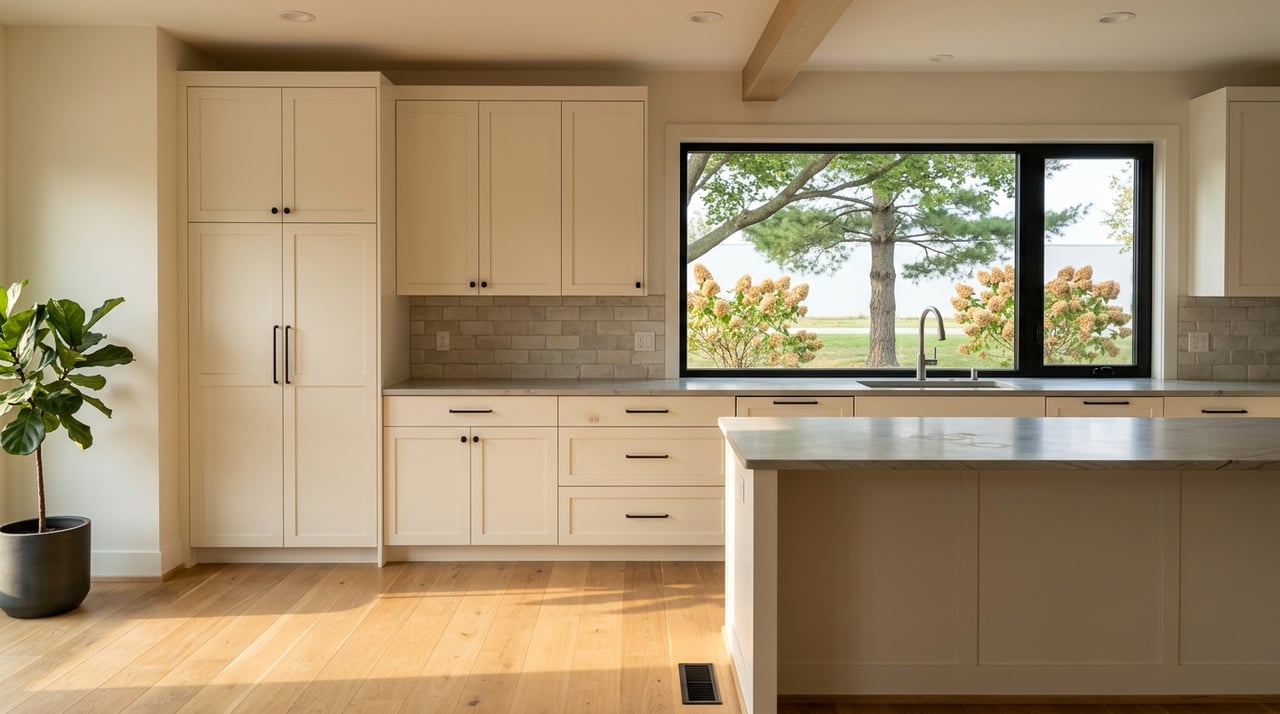
- Use large fixed units with high‑performance glazing for the main view, then add smaller casements or awnings for ventilation to minimize frames and maintain low air leakage.
Are storm windows a good option for bayfront homes?
- Yes, interior or exterior storms add airtightness and improve U‑factor on older windows, offering high ROI while preserving existing frames and aesthetics.
How do I prevent winter condensation on glass?
- Combine lower U‑factor windows and warm‑edge spacers with balanced ventilation or dehumidification to control indoor humidity, and promote gentle air movement near the glass.
Do Peninsula Shores homes need higher wind ratings?
- Waterfront exposure often means higher design wind pressures, so confirm required test pressures with the local building department and use proper anchorage, flashing and structural support.